新書推薦:

《
鲁迅与抗日战争--启蒙与救亡(鲁迅文化基金会丛书)
》
售價:HK$
85.8

《
2045:AI改变人类未来的十大趋势(揭示未来二十年超级震撼的科技变革全景图)
》
售價:HK$
74.8

《
新知文库精选·骆驼来自何处:外来入侵物种的故事与科学
》
售價:HK$
75.9

《
沟通:终身原则(第八版)
》
售價:HK$
217.8

《
小狗心理疗愈日记 史努比陪你找到自我主体性 走出艰难时刻
》
售價:HK$
46.2

《
心灵银行 脑科学轻松创造真正的改变 世界级催眠大师约翰卡帕斯送给普通人改写命运的秘密武器
》
售價:HK$
74.8
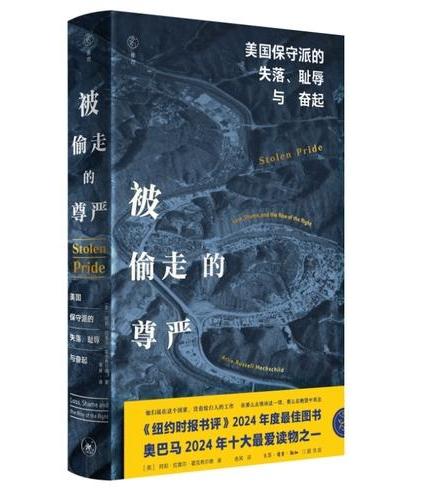
《
被偷走的尊严:美国保守派的失落、耻辱与奋起(三联·哈佛燕京学术丛书)
》
售價:HK$
85.8

《
尖叫的数学:令人惊叹的数学之美:修订新版(从数学的角度发现不一样的逻辑和处世哲学。随书附赠手账本。)
》
售價:HK$
63.8
|
| 編輯推薦: |
|
想投论文却因“语言问题”“逻辑不清”反复拒稿?写英文论文却总是解决不了“Chinglish”?《英文学术论文写作与发表技巧:问题、建议、案例、故事》正是一本旨在解决学生与研究者的共同痛点的学术论文写作指导书。这本书不讲空泛理论,而用问题、建议、案例、故事四个维度,讲透如何练成英文学术写作这门手艺:直击翻译腔、缺少明晰框架、抄袭风险等高频痛点。从论文构思到实操写作,再到投稿与发表,都给出流程方法+避坑技巧。更用真实论文修改案例让你明白好文章好在哪里,中式英语如何变地道表达。书里还有陪伴你一路成长的作者亲身写作故事以及趣味漫画,从学术小白到导师点赞的逆袭故事,破解“动力不足”“完美主义致卡壳”的心理障碍。从基础写作指导到进阶能力提升,从“避免笨拙表达”到“选对投稿期刊”,全书覆盖写作全生命周期。它不是“魔法书”,但给你每一步的踏实方法——帮新手建立清晰框架,助进阶者提升过稿率,最终实现从“提笔就怕”到“收获Accepted”的跨越。
|
| 內容簡介: |
|
《英文学术论文写作与发表技巧:问题、建议、案例、故事》是哈佛大学心理学博士、心理学教授岳晓东写给非英语母语者的英文学术写作实战指南,兼顾基础写作方法(高质量论文标准、学术写作流程等)与进阶能力提升(搭建你的学术网络、展示你的学术成果等),直击研究生、青年教师、科研工作者等群体痛点。第一部分:学术写作基础认知。帮助读者建立对学术写作的系统认知,详细拆解高质量学术论文的关键特征,快速掌握学术英语的规范表达,提升写作的流畅度与专业性。第二部分:写作前的规划与准备。成功的写作始于周密的规划,本部分着重指导读者如何构建自己的学术网络从而拓展学术圈,在写作之初使用提纲来组织和精炼思路,并通过文献综述撰写学习站在前人肩膀上找准自己的研究定位和创新点。第三部分:核心章节的撰写技巧。本部分直击论文各个核心部分的写作痛点,专注于摘要、方法、结果、讨论部分的撰写,并从整体视角提升论文的文体、结构与可读性。第四部分:攻克障碍与发表策略。本部分致力于解决写作与发表过程中的具体难题。包括冗余、句式混乱等“笨拙写作”以及“中式英语”(Chinglish),并了解基本的学术诚信伦理,掌握克服拖延、完美主义等动力障碍的实用心理方法。第五部分:实战投稿与修改指导。本部分指导如何选择合适期刊,帮助论文找到“归宿”,并学会专业地处理审稿意见、修改并重新投稿。最后进一步将视野拓宽,学会通过学术专著、学术演讲等多种形式展示学术成果展,提升个人学术影响力。无论你是初次尝试英文写作的新手,还是需要提高过稿率的进阶者,这本书都能帮你建立清晰的写作方法论,实现从“害怕下笔”到“收获Accepted”,写出有影响力的学术成果。营销文案
|
| 關於作者: |
|
岳晓东,首都师范大学心理学院特聘教授、博导、中国心理学会注册督导师(D-21-192)。岳晓东教授在心理健康、创新心理、咨询心理、幽默心理和青少年偶像崇拜等方面做出了大量的研究,发表SCI/SSCI文章80余篇,中文核心刊物文章100余篇,并出版英文专著4部。此外,岳晓东教授还著有《登天的感觉》《写好孩子的人生脚本》《心理面面观》《性格铸造历史》《幸福公开课》等心理学科普读物。
|
| 目錄:
|
目录
Part 1
What is Academic Writing
Chapter 1 Understanding Academic Writing
Chapter 2 Characteristics of Good Academic Paper
Chapter 3 The Basics of Formulaic Writing
Part 2
How to Plan for Academic Writing
Chapter 4 Understanding Academic Writing
Chapter 5 Organizing Your Ideas with Outlines
Chapter 6 Conducting a Literature Review
Part 3
How to Write Academic Papers
Chapter 7 How to Write a Good Abstracts
Chapter 8 Describing Methods and Results
Chapter 9 Discussing Your Findings
Chapter 10 Crafting Impressive Academic Writing
Part 4
How to Overcome Writing Obstacles
Chapter 11 Avoid Clumsy Writing
Chapter 12 Avoiding Translation-Based English Papers
Chapter 13 Avoid Plagiarism and Academic Misconduct
Chapter 14 Overcoming Ineff -ective Writing and Staying Motivated
Part 5
How to Share Research Papers
Chapter 15 Choosing the Right Journal for Your Manuscript
Chapter 16 Revising and Resubmitting Your Manuscript
Chapter 17 Writing Academic Books and Book Chapters
Chapter 18 Conference Proposals and Presentation
|
| 內容試閱:
|
Preface
In the global academic landscape, proficiency in academic English has emerged as an indispensable asset for scholars, researchers, and students alike. It functions as a crossborder bridge for ideas, facilitating the effective communication of groundbreaking research, rigorous arguments, and innovative insights. Whether one seeks to publish in international journals, present findings at global conferences, or engage in meaningful academic exchanges, mastering academic English is the key to unlocking opportunities and leaving a lasting impact on the academic community.
Yet, academic English writing is by no means a straightforward endeavor. It adheres to unique norms, structural conventions, and linguistic requirements, leaving many learners feeling perplexed in the initial stages—uncertain how to construct coherent academic texts or demonstrate rigorous logical reasoning. It is precisely in response to these practical needs that I have carefully compiled this book, with the aim of offering a systematic and efficient pathway for learners across backgrounds to enhance their academic English writing skills.
The structure of this book is closely aligned with the core components of academic English writing, progressing incrementally from foundational to advanced concepts. This design seeks to help readers gradually grasp the essence of academic writing. Throughout the book, I also share personal reflections, as well as anecdotes from my own experiences of writing and presenting ideas in English, to highlight common pitfalls and practical tips for mastering academic English writing today. Through specific case comparisons, readers will gain a clear understanding of academic writing’s core objectives: conveying objective and accurate knowledge, targeting professional academic audiences, and emphasizing evidence-based support and logical rigor. This foundation will lay solid cognitive groundwork for subsequent learning.
All academic writing follows formulaic patterns, and this book introduces the fundamentals of formulaic academic English writing—including common sentence structures for literature reviews, expression templates for research methodologies, typical frameworks for result analysis, and frequently used logical connectives in discussion sections. Importantly, I emphasize that formulaic expression is not about mechanical application; rather, it requires flexible adaptation to specific writing contexts, based on a thorough understanding of its connotations and applicable scenarios. This approach enables readers to enhance the fluency and professionalism of their writing while upholding academic standards, and avoid the risk of inadequate language expression undermining the communication of academic ideas.
In compiling this book, I have consistently adhered to the principle of integrating theory with practice. Each chapter is supplemented with rich case analyses and targeted exercises: readers first acquire theoretical knowledge, then deepen their understanding of key concepts through case studies, and finally consolidate their learning through practice—truly transforming knowledge into practical writing skills
Chapter 1 clarifies the core definition of academic writing by distinguishing it from other writing genres. It emphasizes that academic writing is a purposeful, evidence-based communication form aimed at sharing scholarly ideas, supporting arguments with credible sources, and adhering to disciplinary norms, helping readers establish a clear, initial understanding of this specialized writing type.
Chapter 2 details the key traits that defi ne high-quality academic papers. These include clarity of thesis, logical coherence in structure, rigor of evidence, objectivity of tone, and strict adherence to academic citation rules. By elaborating on these characteristics, the chapter provides readers with measurable standards to evaluate and improve their own writing.
Chapter 3 introduces the fundamental principles of formulaic writing in academic contexts. It explains common formulaic expressions and structural patterns, such as those used in stating research gaps, presenting arguments, and concluding fi ndings. It equips readers with practical tools to enhance the fl uency and conformity of their academic writing, bridging the gap between theoretical understanding and practical application.
Chapter 4 focuses on guiding readers to develop a robust academic network, a crucial asset for academic success. It covers practical strategies such as identifying key stakeholders in one’s field—including professors, fellow researchers, and students—and explaining how to initiate and maintain meaningful connections. Topics include leveraging academic conferences, workshops, and seminars for face-to-face interactions, as well as utilizing online platforms like ORCid, ResearchGate, Academia, LinkedIn to expand professional circles globally.
Chapter 5 delves into the essential process of using outlines to structure and refine ideas for an academic paper, serving as a foundational step to enhance writing clarity and coherence. It starts by highlighting the importance of outlines in organizing scattered thoughts, aligning content with the paper’s research objectives, and avoiding disorganized drafts. The chapter introduces diff erent types of outlines, and help readers choose the most suitable format based on their paper type and personal writing style.
Chapter 6 explores the systematic process of conducting a literature review, a critical component of academic research that contextualizes a study, identifi es gaps, and establishes its signifi cance. It then guides readers through key steps, including formulating search strategies, evaluating sources for credibility, and organizing collected literature .
Chapter 7 focuses on the fundamental principles and practical steps for crafting effective academic abstracts—concise, comprehensive overviews of a research work. It emphasizes that a strong abstract must distill the core elements of a study: the research problem or objective, the key methods used, the main results, and the critical conclusions or implications. It also provides guidance on avoiding common pitfalls, such as excessive detail, vague language, or omitting essential information.
Chapter 8 offers structured advice for two of the most technical yet critical sections of academic writing: the Methods and Results sections. For the Methods section, it guides readers on how to detail research design, data collection tools, sample sizes, and analytical techniques so that other researchers can replicate the study. For the Results section, the chapter focuses on presenting fi ndings objectively and logically: it may advise on organizing results around research questions/hypotheses, using visuals eff ectively, and avoiding interpretation.
Chapter 9 explores how to analyze, interpret, and contextualize research results in the Discussion section—going beyond mere description to explain the significance of findings. It links results back to the original research questions or hypotheses; comparing fi ndings to existing literature; discussing the theoretical, practical, or policy implications of the results; and addressing limitations of the study alongside suggestions for future research.
Chapter 10 takes a holistic approach to elevating the overall quality of academic writing, covering principles that apply across all sections of a paper. It addresses stylistic and structural elements such as maintaining a formal, objective tone, organizing content logically (with clear transitions between sections/paragraphs), and ensuring coherence. It also includes practical tips for revision and editing and strategies for adapting writing to diff erent academic audiences.
Chapter 11 targets clumsy writing by dissecting structural and linguistic inefficiencies—such as redundant phrasing, erroneous pronoun usage, dangling modifiers, and inconsistent parallelism—and offering revision techniques to enhance clarity and fl uency.
Chapter 12 confronts translation-based English (TBE), the distinct linguistic artifacts of text translated from other languages, and presents strategies to transform ”Chinglish” or structurally awkward translated content into idiomatic, precise academic English while preserving original meaning .
Chapter 13 underscores the foundational role of academic integrity, delineating boundaries of acceptable practice and delivering practical methods to avoid plagiarism and misconduct—critical for maintaining scholarly credibility.
Chapter 14 tackles ineffective writing and motivational stagnation by deconstructing root causes like perfectionism and unclear thinking, then introducing evidence-based habits: setting micro-goals, adopting timemanagement tools such as the Pomodoro Technique, and using free writing or voice-to-text to bridge thought and text .
Chapter 15 guides researchers in selecting optimal journals by aligning manuscripts with “Aims and Scope,” balancing impact factor against cycles, and evaluating open-access policies. Chapter 16 demystifies the revision and resubmission process, emphasizing objective interpretation of editorial feedback, systematic addressing of reviewer comments, and formatting adherence to avoid desk rejection. Finally,
Chapters 17 and 18 extend beyond journal articles, covering the unique structural and narrative demands of academic book writing and providing guidelines for crafting compelling conference proposals and delivering eff ective presentations.
Collectively, these chapters integrate linguistic precision, ethical rigor, and strategic planning to empower researchers to produce polished, impactful work and navigate the full lifecycle of academic communication.
|
|

 購物車/收銀台(0) | 在線留言板
| 付款方式
| 運費計算
| 聯絡我們
| 幫助中心 |
加入書簽
購物車/收銀台(0) | 在線留言板
| 付款方式
| 運費計算
| 聯絡我們
| 幫助中心 |
加入書簽 HOME
HOME 新書上架
新書上架 暢銷書架
暢銷書架



