新書推薦:

《
你的代谢还好吗:控制“五高”饮食运动法
》
售價:HK$
54.8
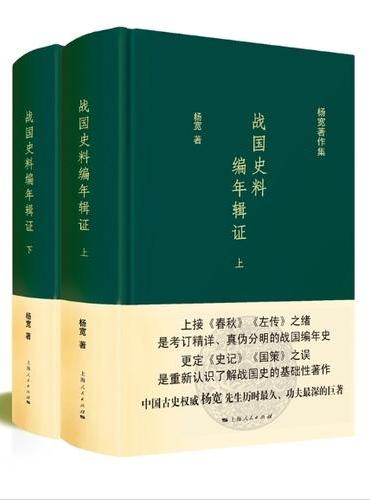
《
战国史料编年辑证(全二册)(杨宽著作集)
》
售價:HK$
272.8

《
流动的世界想象:中国当代电影与视觉文化
》
售價:HK$
74.8
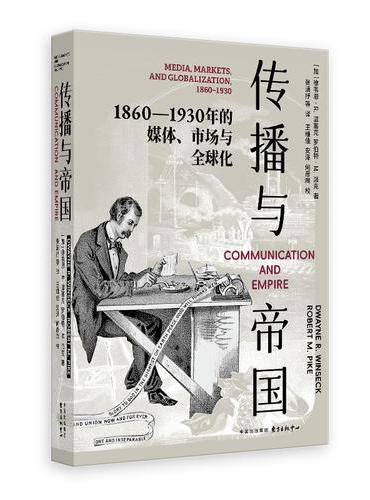
《
传播与帝国:1860—1930 年的媒体、市场与全球化(跨洲史料详尽呈现全球通信全景,资本视角重新定
》
售價:HK$
98.8

《
不再为他人而活:接纳自我的阿德勒心理学
》
售價:HK$
64.9

《
马可波罗和他的世界 蒙古世纪全球史陆海书系
》
售價:HK$
85.8
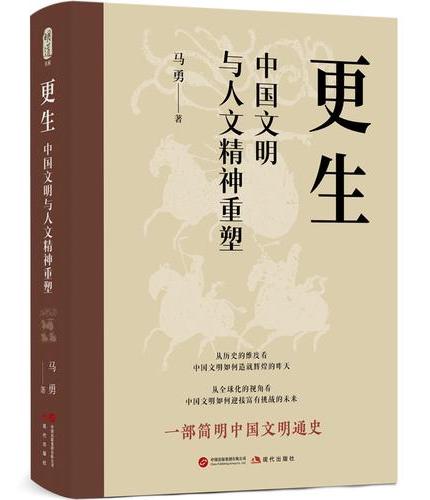
《
更生:中国文明与人文精神重塑
》
售價:HK$
162.8

《
四海之内:中国历史四十讲
》
售價:HK$
97.9
|
| 內容簡介: |
|
This book systematically and comprehensively expounds the calculation theory,design method and engineering application of continuously welded turnouts on High-Speed railway bridge. This book applies the concept of systems engineering and considers the vehicle-turnout-bridge as a coupled system. It combines static analysis,dynamic simulation, laboratory tests, and field tests, integrating theoretical research with practical engineering applications. The book solves critical technical puzzles such as constitutive relationships in force transfer mechanisms and interactions between turnouts and bridges, optimal configurations of turnouts relative to bridges,and appropriate structural designs and parameters for turnout beams. It establishes the calculation theory and design method for welded turnouts on bridges, creating a complete technical framework that includes theoretical analysis, structural design,testing, monitoring, and technical standards, thereby ensuring the safe and stable operation of high-speed railway turnouts on bridges in China. Moreover, the book introduces innovative design concepts for controlling relative displacements between turnouts and bridges, proposes design methods for welded turnouts on high-speed railway bridges, conducts service status monitoring and dynamic performance testing,and validates a wealth of field data. It summarizes research findings and practical experiences in the field of welded turnout technology on high-speed railway bridges,serving as a valuable resource for industry professionals, college students, and postgraduates involved in high-speed railway track engineering.
|
| 目錄:
|
1 Introduction
1.1 Background
1.2 Complexity Analysis
1.2.1 Environmental Conditions
1.2.2 Turnout-Bridge Interaction Mechanisms
1.2.3 Turnout-Bridge Structures and Parameters
1.2.4 Wheel-Rail Interactions
1.2.5 Multi-Disciplinary Intersection
1.3 Key Technologies in CWR Tumout on Bridge
1.3.1 Constitutive Relation and Force Transmission Mechanisms in Turnout-Bridge Interactions
1.3.2 Rational Turnout-Bridge Arrangements
1.3.3 Rational Structural Forms and Design Parameters of Turnout Girder
1.3.4 Dynamic Performance Simulation and Evaluation of Train-Turnout-Bridge Coupling System
1.3.5 Design Criterion and Method of CWR Turnout on Bridge
1.4 Research Approach of Technologies in CWR Turnout on Bridge
1.4.1 Research Objectives
1.4.2 Technical Route and Research Approach
1.4.3 Research Methodology
2 Overview of Technological Development of CWR Turnouton Bridge in China and Abroad
2.1 Overview of Technological Development of CWR Turnout on Bridge in Germany
2.1.1 Structural Characteristics
2.1.2 Computational Theory
2.1.3 Design Approach
2.1.4 Design Requirements
2.2 Overview of Technological Development of CWR Turnout on Bridge in France
2.2.1 Computational Model
2.2.2 Arrangement Requirements
2.3 Overview of Technological Development of CWR Turnout on Bridge in the Republic of Korea
2.3.1 Overview of CWR Turnout on Bridges in the Republic of Korea
2.3.2 Computation of Girder-Rail Interactions for CWR Tumouts on Bridges in the Republic of Korea
2.3.3 Experience Summary of CWR Turnouts on Bridges in the Republic of Korea
2.4 Overview of Research on Technologies of CWR Turnout on Bridge in China
2.4.1 CWR Turnouts on HSR Bridges in Taiwan
2.4.2 Overview of Research on CWR Turnout on Bridge in Chinese Mainland
References
3 Computational Models and Methods for CWR Turnout on Bridge
3.1 Principle for Turnout-Bridge Longitudinal Interactions
3.1.1 Stress and Deformation Characteristics of CWR Turnouts
3.1.2 Stress and Deformation Characteristics of Bridge Structure
3.1.3 Turnout-Bridge Longitudinal Interactions
3.2 Turnout-Bridge-Pier Integration Computational Models
3.2.1 Model Assumptions
3.2.2 Computational Model for Ballasted Turnout
3.2.3 Computational Model for Ballastless Turnout
3.2.4 Computational Model for Ballastless Track with Longitudinally Coupled Base Slabs
3.2.5 Establishment of Firute Element Model and Application of Loads
3.3 Computation Method for CWR Turnouts on Bridges
3.4 Computational Analysis of Longitudinal Forces for CWR Single Turnouts on Bridges
3.4.1 Main Computation Parameters
3.4,2 Computation Results
3.5 Computational Analysis of Longitudinal Forces for CWR Tumout Groups on Bridges
3.5.1 CWR Turnout Groups on Bridges for Ballasted Track
3.5.2 CWR Turnout Groups on Bridges for Ballastless Track
……
4 Design Methodology of CWR Turnout on Bridge
5 Research on Structural Design of Girder Turnout
6 Dynamic Simulation Analysis of Turnout on Bridge
7 Status Monitoring of CWR Turnout on Bridge
8 Field Test for Mechanical Properties of CWR Turnout on Bridge
9 Design Cases of CWR Turnout on Bridge
|
|

 購物車/收銀台(0) | 在線留言板
| 付款方式
| 運費計算
| 聯絡我們
| 幫助中心 |
加入書簽
購物車/收銀台(0) | 在線留言板
| 付款方式
| 運費計算
| 聯絡我們
| 幫助中心 |
加入書簽 HOME
HOME 新書上架
新書上架 暢銷書架
暢銷書架

