新書推薦:
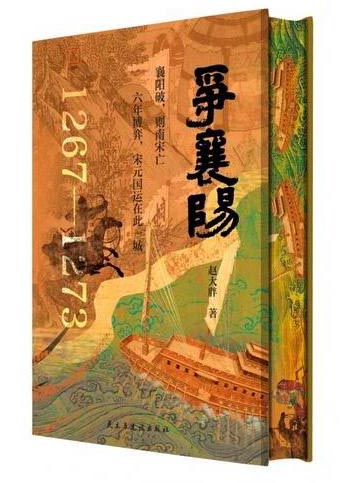
《
争襄阳:宋元国运之战
》
售價:HK$
96.8
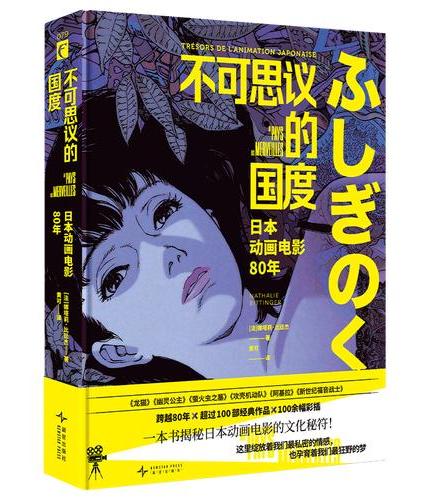
《
不可思议的国度 日本动画电影80年
》
售價:HK$
206.8
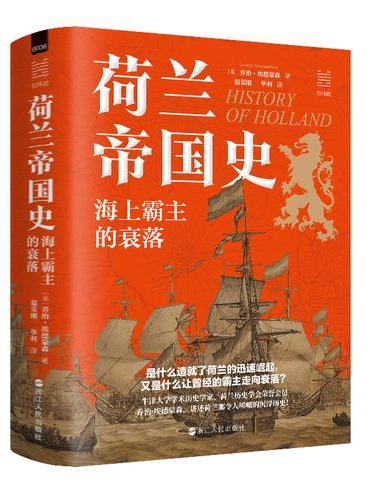
《
经纬度丛书·荷兰帝国史:海上霸主的衰落
》
售價:HK$
85.8
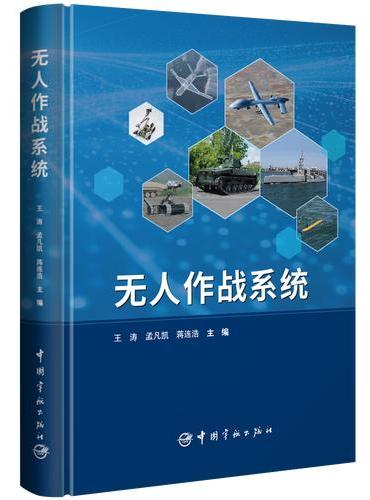
《
无人作战系统
》
售價:HK$
107.8
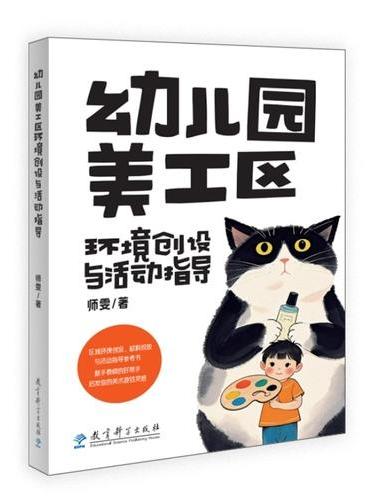
《
幼儿园美工区环境创设与活动指导
》
售價:HK$
79.2
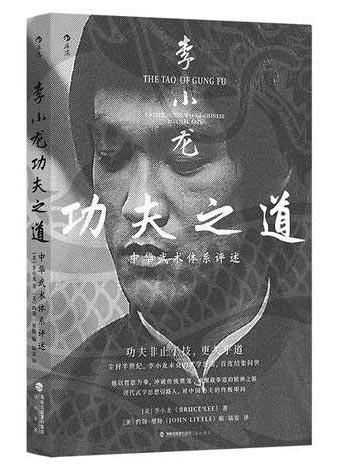
《
李小龙功夫之道
》
售價:HK$
54.8

《
新民说·哲学家与狼
》
售價:HK$
74.8
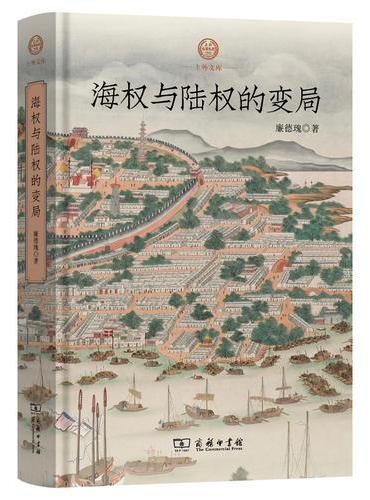
《
海权与陆权的变局
》
售價:HK$
107.8
|
| 內容簡介: |
|
《清华大学计算机系列教材:C 语言程序设计(英文版)》针对程序设计的初学者,以面向对象的程序设计思想为主线,以通俗易懂的方法介绍C 语言,引导读者以很自然的方式,将人类习惯的面向对象的思维方法运用到程序设计中。主要内容包括:程序设计基础知识、类与对象的基本概念、继承与多态、输入输出流以及泛型程序设计。此外,《清华大学计算机系列教材:C 语言程序设计(英文版)》还介绍了一些常用的数据结构基础知识,使得读者学习此书后,能够解决一些简*的实际问题。本教材还配有中文版及中文版学生用书和电子课件,整套教材语言生动、流畅,深入浅出。适用于各类学校的C 语言程序设计课程。
|
| 目錄:
|
Chapter 1 Introduction
1. 1 The Development of Computer Programming Language
1.1.1 Machine Language and Assembly Language
1.1.2 High-level Language
1.1.3 Object-oriented Language
1.2 Object-oriented Method
1.2.1 The Origin of Object-oriented Method
1.2.2 Basic Concepts of Object-oriented
1.3 Object-oriented Software Development
1.3.1 Analysis
1.3.2 Design
1.3.3 Programming
1.3.4 Test
1.3.5 Maintenance
1.4 Representation and Storage of Information
1.4.1 Digital System of Computer
1.4.2 Conversions among Numeral Systems
1.4.3 Storage Units of Information
1.4.4 Binary-coded Representation
1.4.5 Fixed Point Number and Floating Point Number
1.4.6 The Number Range That Can Be Represented
1.4.7 Representation of Non-numerical Information
1.5 The Development Process of Programs
1.5.1 Elementary Terms
1.5.2 The Development Process
Summary
Exercises
Chapter 2 Elementary C Programming
2.1 An Overview of C Language
2.1.1 Origins of C
2.1.2 Characteristics of C
2.1.3 C Programming Examples
2.1.4 Character Set
2.1.5 Lexical Tokens
2.2 Basic Da** *y*es and Expressions
2.2.1 Basic Da** *y*es
2.2.2 Constants
2.2.3 Variables
2.2.4 Symbol Constants
2.2.5 Operators and Expressions
2.2.6 Statement
2.3 Data Inpu***nd**utput
2.3.1 I/O Stream
2.3.2 Predefined Inpu***nd**utput Operator
2.3.3 Simple I/O Format Control
2.4 The Fundamental Control Structures of Algorithms
2.4.1 Achieving Case Structure Using if Statement
2.4.2 Multiple Selection Structure
2.4.3 Loop Structure
2.4. 4 Nestings of Loop Structure and Case Structure
2.4.5 Other Control Statements
2.5 User-Defined Da** *y*e
2.5.1 typedef Declaration
2.5.2 Enumeration Type--chum
2.5.3 Structure
2.5.4 Union
Summary
Exercises
Chapter 3 Functions
3.1 Definition and Use of Function
3.1.1 Definition of Function
3.1.2 Function Calls
3.1.3 Passing Parameters between Functions
3.2 Inline Functions
3.3 Default Formal Parameters in Functions
3.4 Function Overloading
3.5 Using C System Functions
Summary
Exercises
Chapter 4 Class and Object
4.1 Basic Features of Object-Oriented Design
4.1.1 Abstraction
4.1.2 Encapsulation
……
Chapter 5 Data Sharing and Protecting
Chapter 6 Arrays, Pointers and Strings
Chapter 7 Inheritance and Derivation
Chapter 8 Polymorphism
Chapter 9 Collections and Their Organization
Chapter 10 Generic Programming and STL
Chapter 11 The I/O Stream Library and Input/Output
Chapter 12 Exception Handling
Summary
Exercises
|
|

 購物車/收銀台(0) | 在線留言板
| 付款方式
| 運費計算
| 聯絡我們
| 幫助中心 |
加入書簽
購物車/收銀台(0) | 在線留言板
| 付款方式
| 運費計算
| 聯絡我們
| 幫助中心 |
加入書簽 HOME
HOME 新書上架
新書上架 暢銷書架
暢銷書架

