新書推薦:
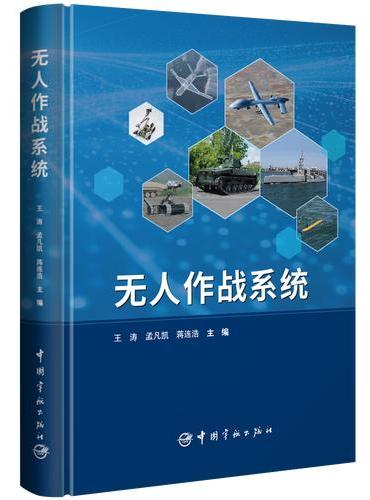
《
无人作战系统
》
售價:HK$
107.8

《
幼儿园美工区环境创设与活动指导
》
售價:HK$
79.2
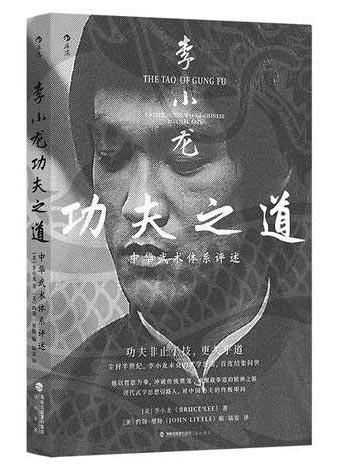
《
李小龙功夫之道
》
售價:HK$
54.8

《
新民说·哲学家与狼
》
售價:HK$
74.8
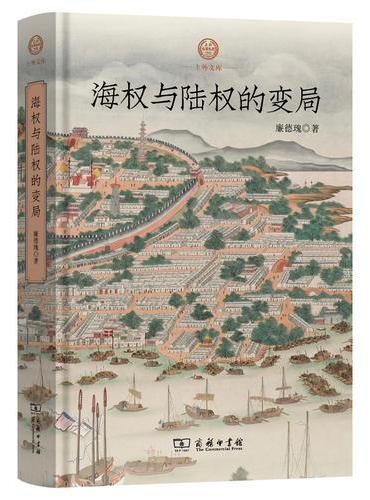
《
海权与陆权的变局
》
售價:HK$
107.8
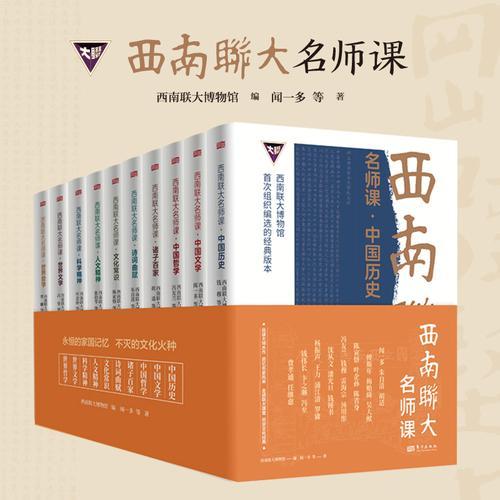
《
《西南联大名师课(全10册)》中国历史·中国文学·中国哲学·诸子百家·诗词曲赋·文化常识·人文精神·
》
售價:HK$
657.8

《
天命无常:五代十国 优酷人文·“梅毅说中国史”系列(全三册)
》
售價:HK$
151.8
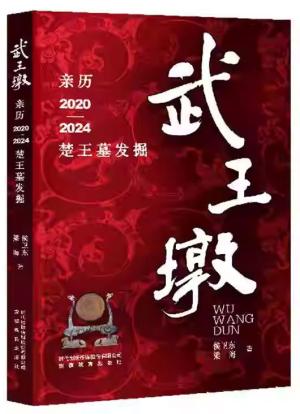
《
武王墩:亲历2020—2024楚王墓发掘
》
售價:HK$
96.8
|
| 編輯推薦: |
|
本书基于系统功能语法、社会文化理论、邻近概念理论和分析框架,采用词汇语法、话语语义和定性案例研究方法,分析探索了中国学生在跨国语境中个人学术身份的构建发展过程,并提出了群体联属的新概念。本研究中的新研究理论框架、研究方法和研究数据,挑战性地提出了在当今变化的社会文化语境中重新定义中国学习者的必要性。多维度的理论框架和新研究方法,对跨国高校教育相关研究具有指引作用。
|
| 目錄:
|
CHAPTER 1 Introduction
1.1Motivation for This Study
1.2A Changing Institutional Culture in China: The Rising of Sino-Foreign
Cooperation Universities
1.2.1Background of Sino-Foreign Cooperation Universities
1.2.2Reassessing the Chinese Learners
1.3Investigating Identity Construction in Language and Context
1.3.1A Systemic Functional LinguisticsSFLPerspective
1.3.2A Sociocultural Perspective
1.3.3The Compatibility Between SFL and Sociocultural Theory in
This Study
1.4Aims and Organisation of This Study
CHAPTER 2 A Social and Linguistic Approach to Identities
and Disciplinary Identities Construction
2.1Introduction
2.2Identity in Linguistics
2.2.1The Prominent Theoretical Approaches to Identity in Linguistics
2.2.2The Need for a Social-Linguistic Perspective on Language and
Identity
2.2.3Language and Multiple Identities Construction
2.2.4Identification of Identities
2.3Conceptualising the C onstruction of Disciplinary Identities
2.3.1Hyland''s Definition of Discipline
2.3.2Defining Community of Discipline
2.3.3Classification of Disciplinary Identities
2.3.4Group Membership Affiliation
2.4The Need for an Integrated Analytical Framework of Disciplinary
Identities Construction
CHAPTER 3 Analysing Disciplinary Identities Construction
3.1Introduction
3.2Towards an Integrated Semiotic and Sociocultural Analytical Framework
3.3Systemic Functional Linguistics SFLModel of Language
3.3.1Text,Context and Register
3.3.2Registerial Organisation of Text
3.3.3Text in Context
3.4Sociocultural Theory on Individual Development
3.4.1Communities of Practice
3.4.2Three Modes of Belonging in Community
CHAPTER 4 Methodology
4.1An Integrated Research Design
4.2The Qualitative Case Study Approach
4.3Selecting Setting and Participants
4.4Data Collection
4.4.1Documents
4.4.2Video Recordings
4.4.3Semi-Structured Interviews
4.5Transcription and Translation
4.6Data Analysis
4.6.1Stage 1: InitialAnalysis of Public Documents
4.6.2Stage 2: Discourse Analysis of Private Documents
4.6.3Stage 3: An SFL Framework of Classroom Discourse
4.7Scope and Limitations of Data
4.8Validity, Reliability and Ethics
CHAPTER 5 The Institutional and Disciplinary Contexts and
the Chinese Students
5.1Introduction
5.2The University of Nottingham Ningbo China UNNC: A Mix of Global
and Local Identities
5.3The Globalisation-Directed IC School
5.4Defining the ''Chinese Students'' from Non-Chinese Perspectives
CHAPTER 6 Discursive Construction of Chinese Students
Disciplinary Identities in Imagined, Historical
Situated and Sodal Contexts
6.1Introduction
6.2Analytical Tools and Procedures of Personal Recounts
6.2.1Understanding Possible Selves in Imagination
6.2.2Evaluating Experience in Personal Recounts
6.2.3Analysing Personal Recounts with Appraisal Theory
6.3Proximity of Possible Disciplinary Selves in Imagination
6.3.1Leona: Independent Learning Self, and Distant Disciplinary
Self
6.3.20wen: Negative Past and Present Undesired Self, Positive
Future Desired Self, and Distant Disciplinary Self
6.3.3Matthew: Negative Past Self, Positive Present Self, and Motivated
Disciplinary Self
6.3.4Catherine: Past Struggling Self, Problem-Solving Self, and
Dedicated Disciplinary Self
6.3.5Emma: In-Group Ought Self, Positive Social Self, and Proximal
Disciplinary Self
6.3.6Nancy: Congruent Past, Present and Future Selves, and Experienced
Disciplinary Self
6.4Disciplinary Identifies Development in Engagement and Alignment
6.5Summary
CHAPTER 7 Semiotic Construction of Disciplinary Identities in
Classroom Academic Discourse
7.1Introduction
7.2Classroom Discourse
7.3Analytical Tools and Procedures of Classroom Discourse
7.3.1Field: Ideational Instantiation of Processes and Things
7.3.2Tenor: Interpersonal Relationship of Speech Roles
7.4Results and Discussion
7.4.1Contexts of Four Classroom Discourse Texts
7.4.2Field: Ideational Instanti~on of Clauses and Clause Complexes
7.4.3Tenor: Negotiating Speech Roles
7.5Summary
CHAPTER 8 Conclusion and Implications
8.1Introduction
8.2Findings in this Study
8.3Implications for Future Research
REFERENCES
|
|

 購物車/收銀台(0) | 在線留言板
| 付款方式
| 運費計算
| 聯絡我們
| 幫助中心 |
加入書簽
購物車/收銀台(0) | 在線留言板
| 付款方式
| 運費計算
| 聯絡我們
| 幫助中心 |
加入書簽 HOME
HOME 新書上架
新書上架 暢銷書架
暢銷書架

