新書推薦:
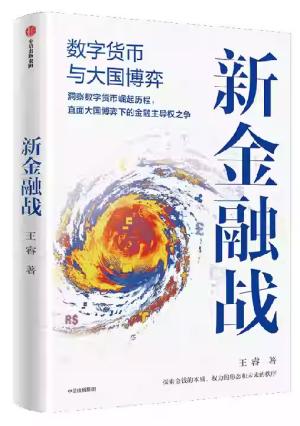
《
新金融战:数字货币与大国博弈
》
售價:HK$
96.8

《
亲爱的波伏瓦:跨越时空的女性对话
》
售價:HK$
74.8
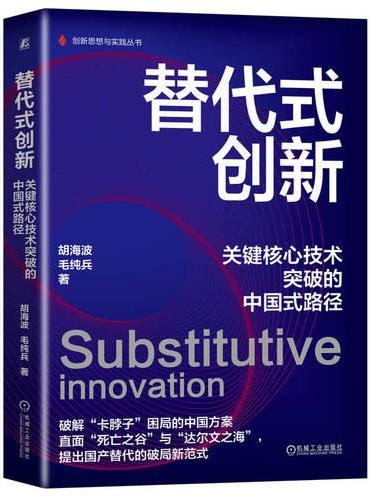
《
替代式创新:关键核心技术突破的中国式路径
》
售價:HK$
97.9

《
阴郁之人的晴朗之地
》
售價:HK$
68.2

《
金融陷阱
》
售價:HK$
75.9

《
豆包AI从会用到精通
》
售價:HK$
63.8

《
HR必备法律工具书:企业用工风险防范实务操作与案例精解(第二版)
》
售價:HK$
118.8
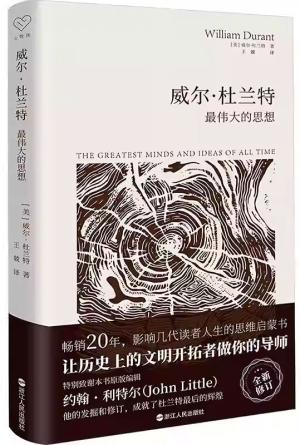
《
威尔·杜兰特:最伟大的思想
》
售價:HK$
52.8
|
| 內容簡介: |
|
This book is made up by 10 chapters, offering inductions of basic properties and tests of common building materials based on the latest national standards. The first chapter mainly introduces the basic properties of building materials, including their aggregation characteristics, engineering characteristics and functional characteristics. The second chapter introduces the technical requirements and test methods for sand and crushed stone or gravel for ordinary concrete, including density of limestone powder, sieving analysis for sand, apparent density of sand, bulk density of sand, water content of sand, sieving analysis of gravel, apparent density of gravel simplified method, water absorption of gravel and bulk density of gravel. The third chapter introduces the technical requirements and test methods for cement, mainly including fineness of cement, specific surface area test, water consumption for cement normal consistency, curing time and soundness of Portland cement and strength test for cement mortar. The fourth chapter introduces the mix proportion design and test method for concrete, mainly including mix proportion design of ordinary concrete, test on fresh concrete and mechanical properties test for cement concrete. The fifth chapter introduces durability of concrete, mainly including frost resistance in concrete, anti-chloride permeability of concrete and carbonation of concrete. The sixth chapter introduces the technical requirements and test methods for construction mortar, mainly including test for consistency sinking depth, layering of mortar and test for compressive strength of construction mortar by using 70.7mm cube specimens.The seventh chapter introduces the mechanical property test on the normal concrete small hollow block. The eighth chapter introduces the mechanical property test on the fired common bricks. The ninth chapter introduces the technical requirements and test methods for rebar, mainly including tension test and bending test. The tenth chapter introduces the technical requirements and test methods for asphalt, mainly including sampling of bituminous materials, penetration of bituminous materials, ductility of bituminous materials and softening point of bituminous materials. This book is not only applicable to all kinds of teaching books of civil engineering, but also can also be used as a reference book for scientific research, teaching, design and construction personnel engaged in civil engineering and related professional work.This book is made up by 10 chapters, offering inductions of basic properties and tests of common building materials based on the latest national standards. The first chapter mainly introduces the basic properties of building materials, including their aggregation characteristics, engineering characteristics and functional characteristics. The second chapter introduces the technical requirements and test methods for sand and crushed stone or gravel for ordinary concrete, including density of limestone powder, sieving analysis for sand, apparent density of sand, bulk density of sand, water content of sand, sieving analysis of gravel, apparent density of gravel simplified method, water absorption of gravel and bulk density of gravel. The third chapter introduces the technical requirements and test methods for cement, mainly including fineness of cement, specific surface area test, water consumption for cement normal consistency, curing time and soundness of Portland cement and strength test for cement mortar. The fourth chapter introduces the mix proportion design and test method for concrete, mainly including mix proportion design of ordinary concrete, test on fresh concrete and mechanical properties test for cement concrete. The fifth chapter introduces durability of concrete, mainly including frost resistance in concrete, anti-chloride permeability of concrete and carbonation of concrete. The sixth chapter introduces the technical requirements and test methods for construction mortar, mainly including test for consistency sinking depth, layering of mortar and test for compressive strength of construction mortar by using 70.7mm cube specimens.The seventh chapter introduces the mechanical property test on the normal concrete small hollow block. The eighth chapter introduces the mechanical property test on the fired common bricks. The ninth chapter introduces the technical requirements and test methods for rebar, mainly including tension test and bending test. The tenth chapter introduces the technical requirements and test methods for asphalt, mainly including sampling of bituminous materials, penetration of bituminous materials, ductility of bituminous materials and softening point of bituminous materials. This book is not only applicable to all kinds of teaching books of civil engineering, but also can also be used as a reference book for scientific research, teaching, design and construction personnel engaged in civil engineering and related professional work.
|
|

 購物車/收銀台(0) | 在線留言板
| 付款方式
| 運費計算
| 聯絡我們
| 幫助中心 |
加入書簽
購物車/收銀台(0) | 在線留言板
| 付款方式
| 運費計算
| 聯絡我們
| 幫助中心 |
加入書簽 HOME
HOME 新書上架
新書上架 暢銷書架
暢銷書架



