新書推薦:

《
马可波罗和他的世界 蒙古世纪全球史陆海书系
》
售價:HK$
85.8
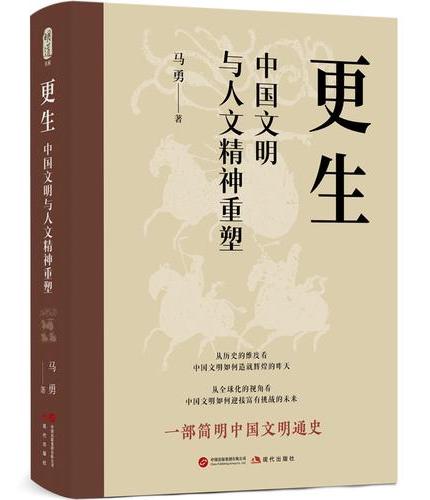
《
更生:中国文明与人文精神重塑
》
售價:HK$
162.8

《
四海之内:中国历史四十讲
》
售價:HK$
97.9

《
万亿低空:技术核心篇 低空经济
》
售價:HK$
107.8

《
逃离邪恶(中译本首-次出版 普利策奖得主厄内斯特·贝克尔遗作 《拒斥死亡》姊妹篇)
》
售價:HK$
107.8

《
萤火虫全球史072:图说中世纪医学简史
》
售價:HK$
82.5
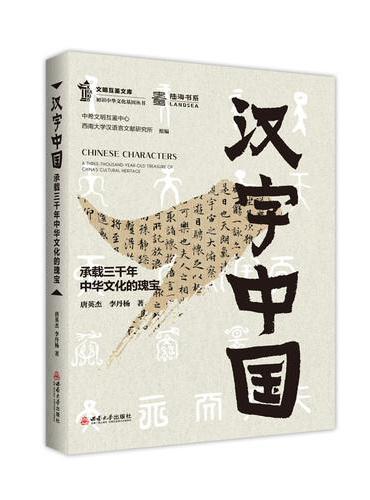
《
汉字中国:承载三千年中华文化的瑰宝
》
售價:HK$
42.9
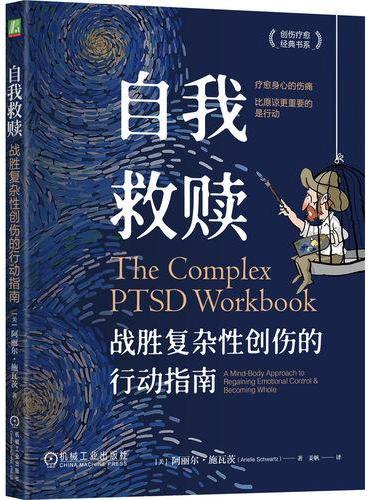
《
自我救赎:战胜复杂性创伤的行动指南
》
售價:HK$
64.9
|
| 內容簡介: |
|
本书全英文,为交通运输学科基础必修课教材,以交通运输系统为研究对象,主要介绍交通运输工程、交通运输系统方面的英文基础知识。本书内容分为六个模块,内容包括:交通运输系统概念,交通运输系统的组成以及各种交通运输系统的现状、各类载运工具的特点、各种交通运输系统的运行特性,道路及轨道工程相关技术知识,交通运输工程规划的基本原则与思路、交通运输基础设施及智能交通系统,多式联运相关基础知识,扩展内容主要介绍国际交通运输系统的发展。本书可作为交通运输、轨道交通等专业教材,还可供从事交通运输、轨道交通等相关专业工程技术人员学习参考。
|
| 目錄:
|
Program 1 Introduction to
Transportation Engineering
1.1
Transportation and Peoples Life 5
1.2 Transportation Engineering 5
1.3 Overview of Transportation Systems
Characteristics 9
1.4 Roles and effects of Transportation Systems 11
Program 2 Modes of Transportation
2.1 Transportation and the Facilities 17
2.2 Modes of Transportation 18
2.3 Diversification of Transportation Facilities 23
2.4 Urban Transportation 35
Program 3 Road Engineering
3.1 Highway system 43
3.2 Introduction to Advanced Transport Systems 53
3.3 Advanced Transport Systems: Operations and
Technologies 59
Program 4 Rail Engineering
4.1 Classification of Railroad 73
4.2 High-speed Rail 76
4.3 High speed Transport 82
Program 5 Rail Noise Measurement and
Methodology
5.1 Definitions 103
5.2 Introduction 107
5.3 Recommended Noise Measurement and Reporting
Procedures 115
Program 6 Transportation Planning and
Management
6.1 Transportation Planning 149
6.2 Perspective on the planning process 150
6.3 Types And Elements Of Planning Studies 156
6.4 Urban Transportation Planning 158
6.5 Urban different Transportation planning and
Management Modes and Their
Characteristics 161
6.6 Dilemmas Encountered In Planning A
Transportation Network 172
Program 7 Intermodal Transportation
7.1 Transportation Network 177
7.2 Intermodal Transport 180
7.3 Freight Transportation system 191
Program 8 Development of Worlds
Transportation
8.1 A National Project in Japan: Innovation of Automated
Driving for Universal
Services 197
8.2 DOE SMART Mobility: Systems and Modeling for
Accelerated Research in
Transportation 205
8.3 Development of a sustainable road transport
system 216
参考文献 225
|
| 內容試閱:
|
前言 PREFACE
Traffic
and Transportation Engineering is intended to be a textbook for
one-semester junior- or senior-level introductory course in transportation
engineering, taught as part of a transportation engineering curriculum. The
book contains approximately fifty percent more material than can be covered in
a single semester. This was done deliberately, to provide instructors with flexibility
in the topics they cover. Some of this material is typically introduced in
other courses. Material on these topics is not intended to substitute for
courses in these areas, but rather to provide students with a review and to illuminate
the application of these subjects to transportation engineering.
An introductory course in
transportation engineering must serve the needs of at least three types of
students. For most students, who will eventually practice some other
transportation engineering specialty, it will serve as a familiarization
course. For others, who will practice in transportation- related jobs
immediately after graduation, it will provide background for entry-level
practice in transportation engineering. For still others, it will provide the
background needed to pursue graduate studies. In order to meet the needs of all
three types of students, an introductory textbook needs to cover the basics of
both theory and practice, to convey a sense of the scope of transportation
engineering, and to maintain an appropriate balance between breadth and depth
of coverage. This book provides an overview of several more specialized topics,
including environmental mitigation design for transportation projects, railroad
track design, capacity analysis and traffic control for rail and air
transportation, mass transit planning and operations, and specific demand
analysis techniques.
The basic approach of the book is
intermodal. One of its underlying concepts is that the basic techniques and
principles of transportation engineering are of wide application, particularly
across modal lines. For practical reasons, the major emphasis is often on
railway, but care is taken to show how basic concepts and techniques apply to
different modes. The intended result is for students to grasp the underlying
principles, and then they can use flexibly in a variety of contexts.
ORGANIZATION OF THE TEXT
Material in the book is organized
as follows: Chapters 1 serves as an introduction, with a focus on the scope and
societal context of transportation engineering. Chapters 2 covers topics
related to the design of transportation facilities. Chapters 3 focuses on road
and railway operation. Chapters 4 covers planning and evaluation of
transportation systems. Chapters 5 focuses on intermodal systems. There is not
any best order for these topics, and instructors should feel free to cover them
whatever order they choose. In certain cases, however, the presentation of
material in the later chapters assumes that the reader is familiar with topics
presented earlier.
ACKNOWLEDGMENTS
This book began as a set of course
notes that other instructors and I had developed at the Jiangsu University of
Technology from 2016. Over the years, these notes were used at School of Automobile
and Traffic Engineering, Jiangsu University of Technology.
I would like to acknowledge the
reviewers of this book, both those who contributed to the development of the
first edition and those who assisted in this revision.
Rujia WANG
Jiangsu University of
Technology
At University of Western
Ontario, Canada
2018
|
|

 購物車/收銀台(0) | 在線留言板
| 付款方式
| 運費計算
| 聯絡我們
| 幫助中心 |
加入書簽
購物車/收銀台(0) | 在線留言板
| 付款方式
| 運費計算
| 聯絡我們
| 幫助中心 |
加入書簽 HOME
HOME 新書上架
新書上架 暢銷書架
暢銷書架

