新書推薦:
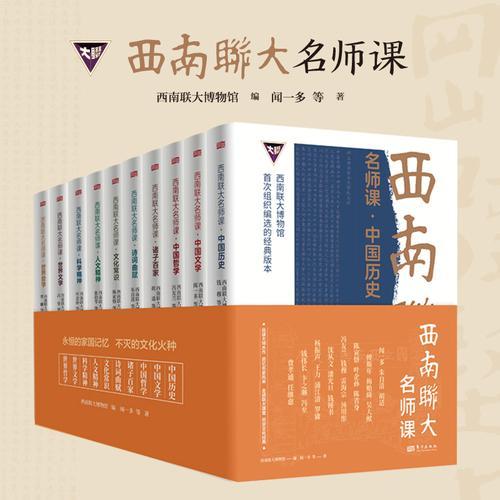
《
《西南联大名师课(全10册)》中国历史·中国文学·中国哲学·诸子百家·诗词曲赋·文化常识·人文精神·
》
售價:HK$
657.8

《
天命无常:五代十国 优酷人文·“梅毅说中国史”系列(全三册)
》
售價:HK$
151.8
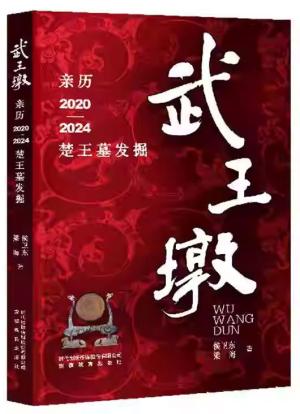
《
武王墩:亲历2020—2024楚王墓发掘
》
售價:HK$
96.8
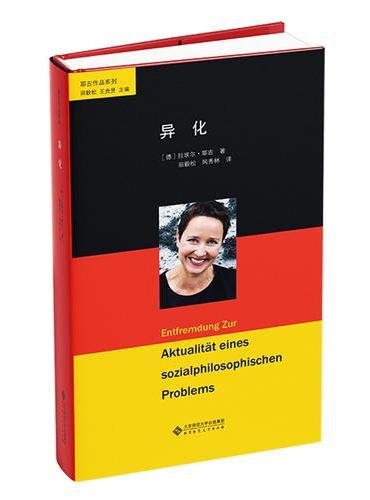
《
异化
》
售價:HK$
94.6

《
你的脆弱很正常
》
售價:HK$
60.0

《
鸟墙——康奈尔鸟类学实验室巨幅壁画诞生记
》
售價:HK$
195.8
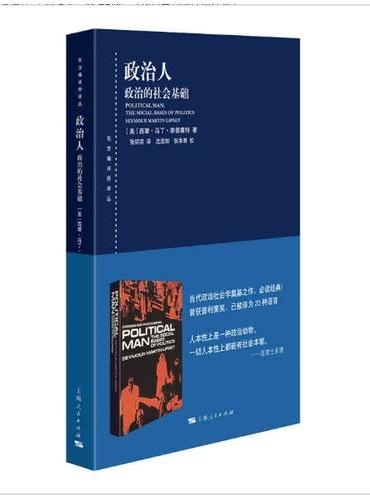
《
政治人--政治的社会基础(东方编译所译丛)
》
售價:HK$
129.8

《
大国崛起战略论:地理与世界霸权+海权论+陆权论+空权论+战争论(全译足本无任何删节-同人阁)
》
售價:HK$
282.5
|
| 編輯推薦: |
|
本教材体系完整,内容全面,反映时代特点和学科发展,理论与实务相结合,每章前有学习目标,每章后附有案例分析、思考题,以便于读者掌握国际金融的基本知识与基础理论,培养其运用相关理论对国际金融领域的各种问题进行初步分析的能力。突出以学生为中心的思想,强调学以致用,所用语言浅显易懂。因此,本教材可以满足不同层次和要求的读者学习之需。
|
| 內容簡介: |
本书分成三个项目部分。*个项目为国际金融市场基础知识,包括国际货币体系和国际收支。从*初的金本位制到20世纪中期的布雷顿森林体系至浮动汇率制度,再到当下多元化的汇率制度,对国际货币体系的产生、发展和消亡,以及国际收支的概念、国际收支的主要内容以及国际收支与相关宏观经济变量的关系进行了简单的阐述。第二个项目为外汇市场与汇率折算,包括外汇市场和外汇衍生品概述。第三个项目为外汇风险管理,包括对经营风险、交易风险和折算风险的管理。
本书在编写上注重理论与实践相结合,强调学生自主学习能力的培养,既可作为高等职业院校国际商务、国际金融教材,亦可作为各类金融专业培训的参考教材,也适合对国际金融有兴趣的读者自学使用。
|
| 目錄:
|
Part 1 Global Financial Environment1
Project 1 International Monetary System1
Task 1 Overview of International Monetary System2
1.1History of the International Monetary System2
1.2The Creation of the Euro9
1.3Currency Turmoil and Crises Post-now10
Task 2 Contemporary Currency Regimes11
2.1IMF’s Exchange Rate Regime Classifications11
2.2Fixed Versus Flexible Exchange Rate12
2.3Distinction Between Fixed Exchange Rate and Flexible Exchange Rate14
2.4Emerging Markets and System Choices14
Task 3 European Monetary System16
3.1From the Treaty of Rome to the Werner Report, 1957—1970 16
3.2From the Werner Report to the European Monetary System,1970—1979 17
3.3From the start of EMS to Maastricht, 1979—1991 17
3.4From Maastricht to the Euro and the Euro Area, 1991—2002 17
3.5The Largest-ever Currency Changeover18
Task 4 Exchange Rate Regimes: What Lies Ahead?19
Mini Case20
The Revaluation of the Chinese Yuan20
Key Terms27
Summary29
Exercises31
Project 2 Balance of Payment Accounting34
Task 1 Balance of Payment Accounts34
1.1Definition of the Balance of Payment34
1.2The Importance of BOP36
1.3Fundamentals of Balance of Payment Accounting36
1.4Accounts of the Balance of Payment38
Task 2 Disequilibrium of Balance of Payment47
Task 3 Trade Balance and Exchange Rate49
3.1The Balance of Payment Interaction with Key Macroeconomic Variables49
3.2Trade Balance and Exchange Rate52
3.3Capital Mobility53
Mini Case55
Global Remittances55
Key Terms60
Summary62
Exercises63
Part 2 Foreign Exchange Markets67
Project 3 The Foreign Exchange Market67
Task 1 Function and Structure of the Foreign Exchange market68
1.1Geographical Extent of the Foreign Exchange Market68
1.2History of Foreign Exchange68
1.3Functions of the Foreign Exchange Market69
1.4Market Participants70
1.5Transactions in the Interbank Market72
1.6Size of the Market74
Task 2 Foreign Exchange Rates and Quotations76
2.1Currency Symbols76
2.2Interbank Quotations77
2.3Direct and Indirect Quotes78
2.4Bid and Ask Quotations79
2.5Forward Quotations in Percentage Terms80
2.6Cross Rates81
2.7Intermarket Arbitrage82
2.8Measuring a Change in Spot Exchange Rates84
Mini Case86
The Saga of the Venezuelan Bolivar Fuerte86
Key Terms90
Summary91
Exercises92
Project 4 Futures and Options on Foreign Exchange95
Task 1 Foreign Currency Futures95
1.1Contract Specifications96
1.2Currency Futures Markets97
1.3Using Foreign Currency Futures98
Task 2 Foreign Currency Options100
2.1Currency Options100
2.2Currency Options Markets102
2.3Currency Futures Options103
2.4Basic Option Pricing Relationships at Expiry104
2.5American Option Pricing Relationships107
2.6European Option Pricing Relationships109
Mini Case112
Warren Buffett’s Love-Hate Relationship with Derivatives112
Key Terms117
Summary118
Exercises119
Part 3 Foreign Exchange Exposure122
Project 5 Management of Transaction Exposure122
Task 1 Types of Foreign Exchange Exposure123
1.1Transaction Exposure123
1.2Translation Exposure123
1.3Operating Exposure123
Task 2 Hedge124
2.1Hedge Definition124
2.2Advantages and Disadvantages of Hedging124
Task 3 Ways of Hedging Transaction Exposure126
3.1Forward Market Hedge126
3.2Money Market Hedge129
3.3Options Market Hedge130
3.4Comparison of Alternatives132
Task 4 Should the Firm Hedge?134
Mini Case135
Banbury Impex(India)135
Key Terms141
Summary141
Exercises142
Project 6 Management of Operating Exposure145
Task 1 Operating Exposure:Definition145
1.1Attributes of Operating Exposure146
1.2Operating and Financing Cash Flows146
1.3Expected Versus Unexpected Changes in Cash Flow147
Task 2 Measuring Operating Exposure148
2.1Short Run149
2.2Medium Run:Equilibrium149
2.3Medium Run:Disequilibrium150
2.4Long Run150
Task 3 Management of Operating Exposure150
3.1Strategic Management of Operating Exposure150
3.2Proactive Management of Operating Exposure152
Mini Case156
Toyota’s European Operating Exposure156
Key Terms159
Summary160
Exercises160
Project 7 Management of Translation Exposure163
Task 1 Overview of Translation Exposure164
1.1Subsidiary Characterization165
1.2Functional Currency165
Task 2 Translation Methods166
2.1Current Rate Method166
2.2Temporal Method167
2.3U.S. Translation Procedures168
2.4Distinction Between the Foreign Exchange Exposures169
2.5Measurement of Translation Exposure170
Task 3 Managing Translation Exposure171
3.1Balance Sheet Hedge Defined171
3.2Balance Sheet Hedge Determination172
Mini Case173
LaJolla Engineering Services173
Key Terms178
Summary178
Exercises180
References184
|
| 內容試閱:
|
中国经济的迅猛发展已经引起了全球的关注,伴随着经济发展,中国的金融建设也突飞猛进。同时,上海市也在积极响应加快推进国际经济、贸易、金融、航运、科技创新中心这五个中心建设。因此,对于国际金融中心的建设,急需金融人才特别是双语金融人才。 上海工商外国语职业学院一直注重对学生英文能力和专业能力的综合培养,很多课程已经开始双语教学,目前也有其他课程在同步进行双语建设活动。我们的教师大多数从国外高校毕业,拥有着良好的英语能力和专业知识,对于这次的国际金融实务双语教材的编写也付出了很多的心血,参考了很多国内外优秀的教学资源和学习资料。
这些年虽然有关国际金融的英文原版教材已经出版了很多,但是我们在选择教材的时候往往非常困惑。这是因为有些教材难度较大,对一些理论的阐述过于深奥,而对于学生的知识训练较少,因而不太适宜高职高专学校学生学习。有些教材的内容过于陈旧,不符合当前的国际形势和金融政策。鉴于这些实际存在的问题,我们决定编写符合高职高专学校学生学习的国际金融教材。
本书的特色是简单易懂,文字浅显、准确。对于理论的介绍除了文字叙述以外,尽量采用一些图表和公式,从而简化了一些比较难以理解的理论问题。教学实践告诉我们,有些看似简单的理论问题,学生仅通过文字解释来理解并不容易,但配合图形或公式,学习效果则会大不相同。我们相信图文并茂的形式对于自学的读者也会有很大的帮助。
本书篇幅紧凑,结构合理,逻辑性强。我们将大多数繁琐又复杂的部分剔除,只留下了比较重要的知识点,同时增加了练习部分。与大部分的同类教材相比,我们认为本书比较适合学生在一个学期中全部学完。
本书分成三个项目部分。第一个项目为国际金融市场基础知识,包括国际货币体系和国际收支。从最初的金本位制到20世纪中期的布雷顿森林体系至浮动汇率制度,再到当下多元化的汇率制度,对国际货币体系的产生、发展和消亡,以及国际收支的概念、国际收支的主要内容以及国际收支与相关宏观经济变量的关系进行了简单的阐述。第二个项目为外汇市场与汇率折算,包括外汇市场和外汇衍生品概述。第三个项目为外汇风险管理,包括对经营风险、交易风险和折算风险的管理。
本书在编写上注重理论与实践相结合,强调学生自主学习能力的培养,既可作为高等职业院校国际商务、国际金融教材,亦可作为各类金融专业培训的参考教材,也适合对国际金融有兴趣的读者自学使用。在这次编写过程中我们得到了很多专业人士的指导和帮助,借鉴了国内外优秀教材和文献,为此我们深表感谢,也希望广大读者对于书中出现的不妥之处予以理解,并加以指正。
编者
2018年5月
|
|

 購物車/收銀台(0) | 在線留言板
| 付款方式
| 運費計算
| 聯絡我們
| 幫助中心 |
加入書簽
購物車/收銀台(0) | 在線留言板
| 付款方式
| 運費計算
| 聯絡我們
| 幫助中心 |
加入書簽 HOME
HOME 新書上架
新書上架 暢銷書架
暢銷書架

