新書推薦:
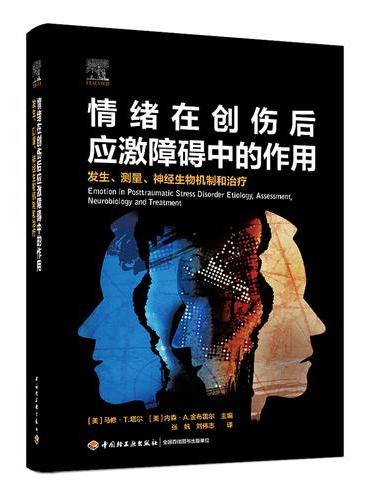
《
情绪在创伤后应激障碍中的作用:发生、测量、神经生物机制和治疗
》
售價:HK$
140.8
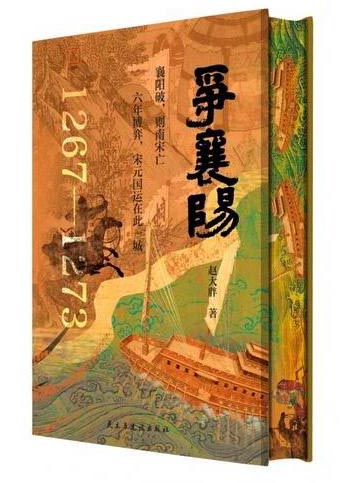
《
争襄阳:宋元国运之战
》
售價:HK$
96.8

《
不可思议的国度 日本动画电影80年
》
售價:HK$
206.8
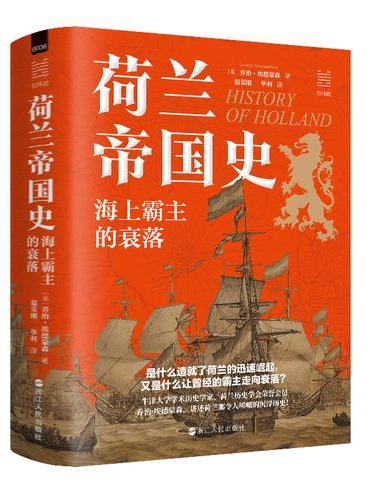
《
经纬度丛书·荷兰帝国史:海上霸主的衰落
》
售價:HK$
85.8
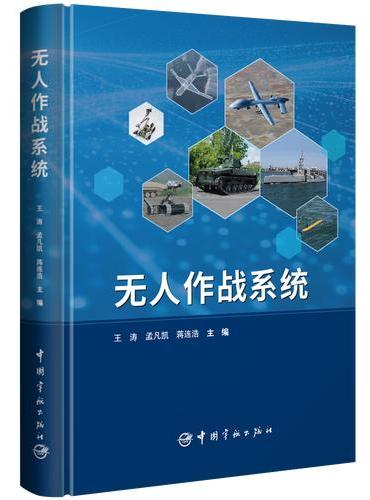
《
无人作战系统
》
售價:HK$
107.8

《
幼儿园美工区环境创设与活动指导
》
售價:HK$
79.2
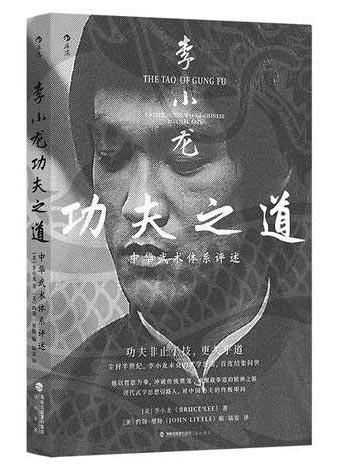
《
李小龙功夫之道
》
售價:HK$
54.8

《
新民说·哲学家与狼
》
售價:HK$
74.8
|
| 內容簡介: |
|
张南编*的《中国专利制度演进论(基于儒学的 考察)(英文版)》深入讨论中国的专利制度不仅借鉴了 国际条约,又保持了自身的法律文化并满足国内经济 发展的需求等特点,指出这才是促进创新和改善专利 保护的基础。同时,本书通过对创新、文化与制度史 的考察,并结合中国《专利法》第四次修改的*新动 态,借用儒家文化中的经典理论,通过历史分析和比 较法分析方法,为进一步完善中国专利制度提出了积 极建议。
|
| 目錄:
|
1.Introduction
1.1 Clarifications of the Arguments and Contributions
1.2 Literature Review
1.3 Research Methodology
2.A Brief History of Chinese Innovation
2.1 Changes of Social Group and the Booming of Patents
2.1.1 The New Social Changes Brought About by Industrialisation
2.1.2 The British Industrialists and Patents
2.1.3 Chinese Industrialists and Patents
2.1.3.1 The First Golden Time
2.1.3.2 The Second Golden Time
2.1.3.3 The Third Golden Time
2.2 Industrialism and International Trade
2.2.1 What Happened in the Past
2.2.2 What Is Happening Now--More Investment Abroad
2.2.3 OEM vs. ODM
2.2.4 Anti-Monopoly Law System
2.2.4.1 Anti-Unfair Competition Law 1993
2.2.4.2 Anti-Monopoly Law 2007 and After
2.3 The Rise of a Creative Group
2.4 Cultural Strategies for Legal Enforcement
3.A Consideration of Intellectual Property through a Confucian Exploration
3.1 Introduction
3.2 The Origin of Chinese civilisation
3.3 Confucius
3.3.1 Confucius and His Historical Background
3.3.2 "Four Books and Five Classics"
3.3.2.1 "Four Books"
3.3.2.2 "Five Classics"
3.3.3 Confucius''s Social, Educational and Moral Impact
3.3.3.1 His Social Impact
3.3.3.2 His Educational Impact
3.3.4 His Moral Impact: "Ren", "Lun", and "Li"
3.3.4.1 "Ren"
3.3.4.2 "Lun"
3.3.4.3 "Li"
3.4 Conclusion
4.The Ancient Innovation and Early Chinese Patent Law
4.1 Introduction
4.2 Examples of Ancient Innovations
4.2.1 The Armillary Sphere
4.2.2 The Compass
4.2.3 The Development of Paper Making
4.2.4 Printing
4.2.5 Gun Powder
4.3 Early Chinese Patent Law
4.3.1 Introduction
4.3.2 The Seed of Chinese Patent Law
4.3.3 Patent Legislation 1912--1949
4.3.4 Patent Legislation 1949--1963
4.3.5 Chinese Patent Law 1984
5.China''s Updates in Patent Law
5.1 Introduction
5.2 The 1992 Amendment
5.3 The 2001 Amendment
5.4 The 2009 Amendment
5.5 The Entry into Patent Cooperation Treaty PCT
5.6 International Trainings
5.7 Patent Rights
5.7.1 Types of Patent Rights
5.7.2 Examination on Invention, Utility Model and Design Patents
5.7.3 Patent Licences
5.7.3.1 The Royalties of DVD6C Group
5.7.3.2 Netac--the Firstly Chinese Company Collecting Royalties in the US
5.7.3.3 Patent Licensing and the Future Development of Domestic Industry
5.7.4 Injunctions
5.7.5 Preservation of Evidence
5.7.6 Patent Infringement Actions
5.7.7 Non-infringement Actions
5.7.7.1 Non-infringement Actions on the Patented Process
5.7.7.2 Prior Art Defence
5.7.7.3 The Doctrine of First Sale
5.7.7.4 The Bolar Exemption
5.7.7.5 The Unintentional Infringement Action of Sellers
5.7.8 False Marking Actions
5.7.9 Non False Marking Defenee
5.7.10 The Civil Liabilities and Remedies
5.7.10.1 The General Principle of Chinese Civil Law 1986
5.7.10.2 The Method to Calculate the Remedies of Civil Liabilities
5.7.11 Administrative Liabilities and Remedies
5.7.12 Criminal Liabilities and Remedies
5.8 Chinese Intellectual Property Tribunals
5.9 Compulsory Licensing
5.10 Conclusion
6.New Waves in Chinese Patent System
6.1 Introduction
6.2 The Effect of "Statutory Compensation"
6.3 The New Adoption of "Punitive Compensation"
6.4 New Article 60 in the 4th Amendment of Chinese Patent Law
6.5 New Article 64 of the 4th Amendment of Chinese Patent Law
6.6 Chinese Patent Enforcement Measures 2011
6.7 New Article 61 of the 4th Amendment of Chinese Patent Law
6.8 The Draft Regulation on Employment Inventions
6.9 The Establishment of New IP Courts
6.10 Conclusion
7.Conclusion: Cultural Strategies for Legal Enforcement
7.1 Key Principles in Each Chapter of this Book
7.2 Enforcement is the Agenda: Five Strategies
7.2.1 Education
7.2.2 Creating an IP Culture in China
7.2.3 IP Protection, Local Benefits and Industrialisation
7.2.4 Creative Group and IP
7.2.5 Patent Portfolio and Branding
7.3 A More Detailed Plan for Action
Bibliography
|
|

 購物車/收銀台(0) | 在線留言板
| 付款方式
| 運費計算
| 聯絡我們
| 幫助中心 |
加入書簽
購物車/收銀台(0) | 在線留言板
| 付款方式
| 運費計算
| 聯絡我們
| 幫助中心 |
加入書簽 HOME
HOME 新書上架
新書上架 暢銷書架
暢銷書架

