新書推薦:

《
故宫藏影—西洋镜里的宫廷人物
》
售價:HK$
396.0
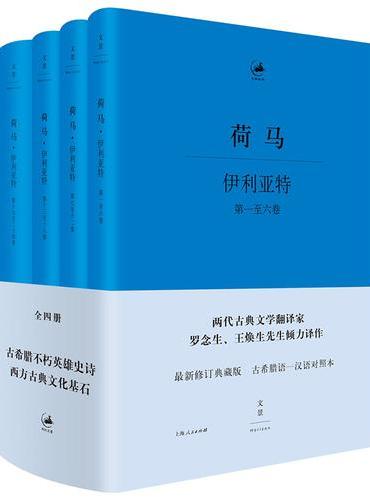
《
伊利亚特 : 希腊语、汉语对照
》
售價:HK$
206.8
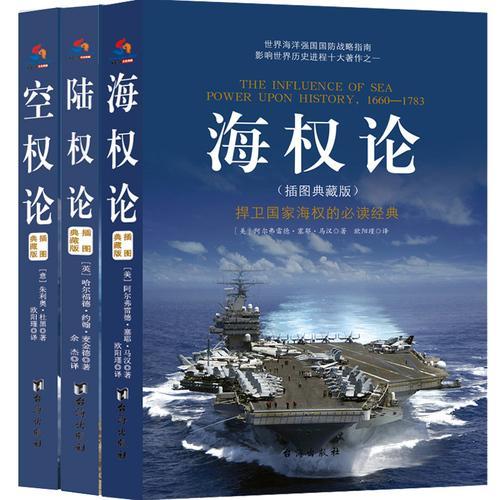
《
世界军事战略经典:海权论+陆权论+空权论(全3册)
》
售價:HK$
173.8

《
论断与概念
》
售價:HK$
96.8
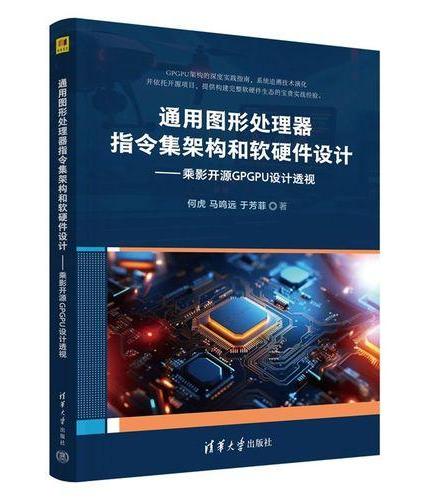
《
通用图形处理器指令集架构和软硬件设计——乘影开源GPGPU设计透视
》
售價:HK$
141.9
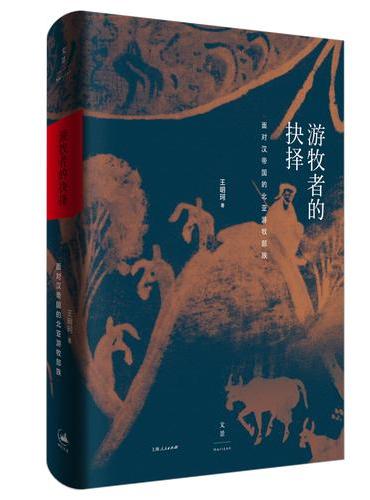
《
游牧者的抉择:面对汉帝国的北亚游牧部族
》
售價:HK$
76.8

《
从“四夷”到“外国”:《宋史·外国传》研究 国家社科基金后期资助项目
》
售價:HK$
96.8

《
苏格拉底的虔敬:读柏拉图《游叙弗伦》笔记
》
售價:HK$
86.9
|
| 內容簡介: |
The present study discusses how the genre-based approach is conducted in the teaching of business English report writing. Genre approach is the one that is based on the theory of genre analysis, applying genre and genre analysis to classroom teaching. It aims to help learners command writing skills of business English report with different communicative purposes and text structures in accordance with different genres and thus improve their business English report writing proficiency. At the same time, genre approach makes learners realize that discourses are not only linguistic constructs but also socially meaningful constructs.
The book consists of 17 chapters. Chapter One states the present situation in college business English report writing and points out the significance of the study. Chapter Two is the review of relevant literature on this topic. This chapter begins with the definition of genre. In the area of linguistics, genre is a confusing concept. Among the different notions, those of Swales 1990 and John S. Martin 1984 are influential. Swales defined the genre as a class of communicative events, the members of which share some set of communicative purposes. Next, the development of genre analysis is discussed. Genre analysis is an important branch of discourse analysis. The most striking characteristic of genre analysis is its explanatoriness. Thus, genre analysis does not only employ linguistic analysis but also integrate the analysis from the aspects of psychology and sociology. It aims to study the communicative purposes and language using strategies.
|
| 目錄:
|
Chapter 1 Overview ofthe Study
1.1 Background of the Study
1.2 Aim and Significance ofthe Study
Chapter 2 Literature Review
2.1 Definition ofGenre-based Writing
2.1.1 Definition ofGenre
2.1.2 Genre Analysis
2.1.3 Development ofGenre Analysis
2.2 Theoretical Basis
2.2.1 Current Teaching Practice ofGenre-basedApproach
2.2.2 New Rhetoric
2.2.3 Australian School
Chapter 3 Research Methodology
3.1 Subjects ofthe Research
3.2 Research Instruments
3.2.1 Pre-test
3.2.2 Pre-study Questionnaire
3.2.3 Teaching Experiments
3.2.4 Post-test
3.2.5 Post-study Questionnaire
3.2.6 Interview
3.2.7 Scoring Criteria
3.3 Research Questions
3.4 Data Analysis and Results of the Empirical Study
3.4.1 Pre-test
3.4.2 Post-test
3.4.3 Pre-study Questionnaire and Post-study Questionnaire
3.4.4 Interview
Chapter 4 Report and Report Types
4.1 Definition ofReport
4.2 Types ofReports
4.2.1 Formal and Informal Reports
4.2.2 Presentation Formats
4.2.3 Information Reports
4.2.4 Recommendation Reports
4.3 Consistency in the Type
Chapter 5 Structures ofReports
5.1 Structure of a Report
5.2 Typical Structure of a Business Report
5.3 Outline Structures ofMajor Types
5.3.1 Structure by Phase
5.3.2 Structure by Time
5.3.3 Structure by Numbers ofTasks
5.3.4 Structure ofProposals
5.3.5 Structure ofResearch Reports
5.4 Selecting Your Report Type
Chapter 6 The Target Audience
6.1 Who Are the Target Audience?
6.2 Who Are You?
6.3 Readers'' Expectations
Chapter 7 Steps in Report Writing
7.1 Flow Chart
7.2 Steps in a Systematic Approach
7.3 The "SUGGESTED" Approach
……
Chapter 8 Collecting Data and Research
Chapter 9 Designing a Questionnaire
Chapter 10 Introduction
Chapter 11 Findings
Chapter 12 Conclusions and Recommendations
Chapter 13 Resources in Chinese
Chapter 14 Formats and Formatting
Chapter 15 Language Issues
Chapter 16 Types ofVisuals
Chapter 17 Findings and Discussions
AppendixⅠ SampleReports(报告样本)
AppendixⅡ 英语商务报告写作情况问卷调查(一)
AppendixⅢ 英语商务报告写作情况问卷调查(二)
References
|
|

 購物車/收銀台(0) | 在線留言板
| 付款方式
| 運費計算
| 聯絡我們
| 幫助中心 |
加入書簽
購物車/收銀台(0) | 在線留言板
| 付款方式
| 運費計算
| 聯絡我們
| 幫助中心 |
加入書簽 HOME
HOME 新書上架
新書上架 暢銷書架
暢銷書架



