新書推薦:
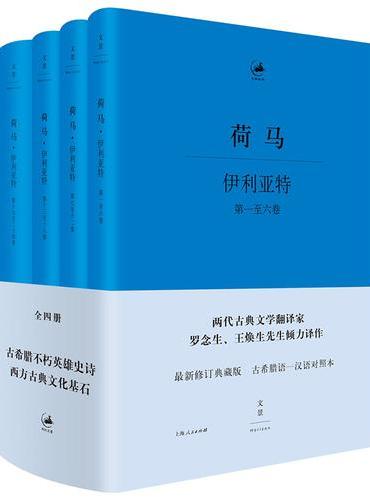
《
伊利亚特 : 希腊语、汉语对照
》
售價:HK$
206.8
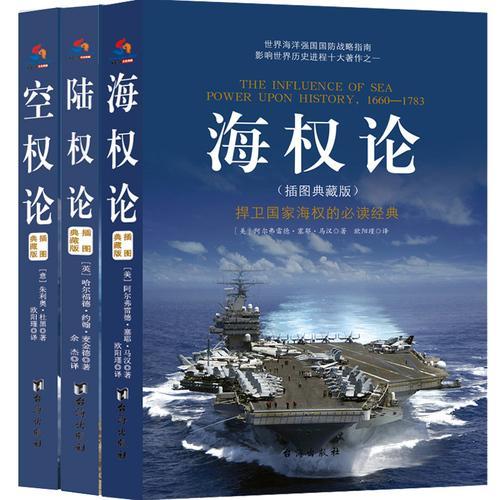
《
世界军事战略经典:海权论+陆权论+空权论(全3册)
》
售價:HK$
173.8

《
论断与概念
》
售價:HK$
96.8
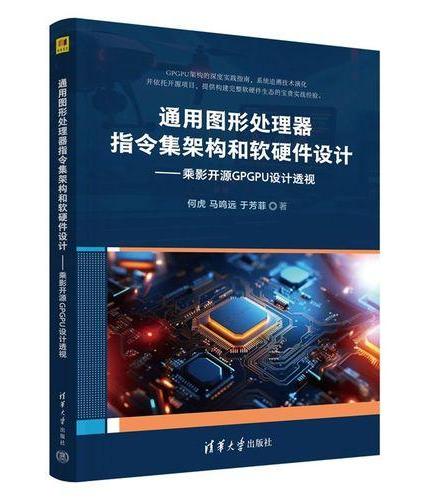
《
通用图形处理器指令集架构和软硬件设计——乘影开源GPGPU设计透视
》
售價:HK$
141.9

《
游牧者的抉择:面对汉帝国的北亚游牧部族
》
售價:HK$
76.8

《
从“四夷”到“外国”:《宋史·外国传》研究 国家社科基金后期资助项目
》
售價:HK$
96.8

《
苏格拉底的虔敬:读柏拉图《游叙弗伦》笔记
》
售價:HK$
86.9

《
思辨者的罗盘:从逻辑谬误到严谨表达
》
售價:HK$
61.6
|
| 內容簡介: |
|
电子语篇的出现,改变了人们构建人际意义的方式,也为语言学研究带来了新的课题。本书以QQ、MSN、阿里旺旺等汉语即时通讯为例,探讨了电子语篇和电子会话的性质和定义,以系统功能语言学的会话结构理论为框架,讨论电子会话语篇的功能和路径,以及在实现方式和使用频率方面的特征。本书从功能语言学的角度对电子语篇进行了阐述,为电子会话研究提供了一种新的视角,对人们认识、了解相关研究提供了一定的指导与借鉴。
|
| 關於作者: |
|
陈晓燕,女,中山大学澳大利亚麦考瑞大学博士,华南师范大学外国语言文化学院讲师,研究兴趣包括功能语言学、语篇分析、语料库语言学、英汉对比研究等。
|
| 目錄:
|
Acknowledgements
前言
Abstract
List of Figures
List of Tables
List of Abbreviations
Exchange Slots
Glosses in the English Translation of Chinese Texts
Chapter 1 INTRODUCTION
1.1 Aimsand objectives
1.2 The Internet: A brief history
1.3 From CMC to IMdiscourse: A preliminary delimitation
1 4 CMC: From socio-psychol0gical perspectives
1.4.1 The cues-filtered-out vision
1.4.2 The cues-filtered-in vision
1.5 Structure of the book
Chapter 2 A LINGUISTIC VIEW OF ELECTRONIC DISCOURSE
2.1 Introduction
2.2 E-discourse: Nature and taxonomy
2.2.1 Nature of e-discourse
2.2.2 Taxonomy of e-discourse
2.3 E-discourse: A multi-level linguistic profile
2.3.1 Graphological and lexico-grammatical patterns
2.3.2 Discourse organizational patterns
2.4 E-discourse: A social-cultural and multilingual perspective
2.4.1 The English Internet
2.4.2 The multilingual Internet
2.5 Summary
Chapter 3 TOWARD A SYSTEMIC FUNCTIONAL MODEL OF CONVERSATION
3.1 Introduction
3.2 An overview of relevant approaches
3.2.1 Conversation Analysis
3.2.2 The Birmingham school
3.2.3 Speech Act Theory
3.3 Language as social semiotic
3.3.1 Language as system
3.3.2 Language as strata
3.3.3 Language as functions
3.4 Conversational structure
3.4.1 The EXCHANGE STRUCTURE system
3.4.2 The SPEECH FUNCTION system
3.4.3 The MOOD system
3.5 Data and methodology
3.6 Summary
Chapter 4 DESCRIBING INSTANT MESSAGING DISCOURSE
4.1 Introduction
4.2 Defining IM discourse: A "Mode" description
4.2.1 Mode revisited
4.2.2 E-discourse: The third discourse type?
4.2.3 The Mode of IM discourse
4.3 Units of analysis in IM discourse
4.3.1 Identifying discourse units in oral conversation
4.3.2 Message and turn in IM discourse
4.3.3 Move and move complex in IM discourse
4.4 Summary
Chapter 5 CONVERSATIONAL STRUCTURE AS ENCODING OF MODE
5.1 Introduction
5.2 Exchange structure: Classes and proceeding
5.2.1 Exchange structure classes
5.2.2 Interleaved exchange proceeding
5.3 Speech function: Classes and realizations
5.3.1 The MOOD TYPE system in Chinese
5.3.2 Syfioptic speech functions
5.3.3 Dynamic speech functions
5.4 Summary
Chapter 6 CONVERSATIONAL STRUCTURE AS ENCODING OF TENOR
6.1 Introduction
6.2 Tenor revisited
6.2.1 Dimensions of Tenor
6.2.2 Linguistic manifestations of Tenor dimensions
6.3 Relationships in the workplace: Peers and supervisor-supervisee
6.3.1 General discourse features
6.3.2 Features at the exchange rank
6.3.3 Features at the move rank
6.4 Relationship in the family: Parent-child
6.5 Relationship in online service encounters: Vendor-customer
6.6 Summary
Chapter 7 CONCLUSIONS
7.1 Introducuon
7.2 A summarizing overview
7.3 Implications and limitations
7.4 Suggestions for future research
7.5 Concluding remarks
References
Appendices
Appendix 1: Sample interfaces of the three IM programs
Appendix 2: Away messages of the three IM programs
Appendix 3: Typical preprogrammed emoticons of the three IM programs
Appendix 4: Typical online shopping procedures on taobao.com
Appendix 5: English translation of Text 1: Yamu Star
Appendix 6: English translation of Text 2: Umber Ecloud
Appendix 7: English translation of Text 3: Chunyan Noon88
Appendix 8: English translation of Text 4: Lark Rosemask
Appendix 9: English translation of Text 5: Jill Kitty
Appendix 10: English translation of Table 4.3
Appendix 11: English translation of Table 5.4
|
|

 購物車/收銀台(0) | 在線留言板
| 付款方式
| 運費計算
| 聯絡我們
| 幫助中心 |
加入書簽
購物車/收銀台(0) | 在線留言板
| 付款方式
| 運費計算
| 聯絡我們
| 幫助中心 |
加入書簽 HOME
HOME 新書上架
新書上架 暢銷書架
暢銷書架



