新書推薦:
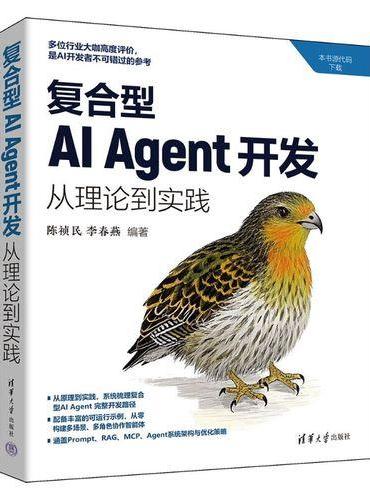
《
复合型AI Agent开发:从理论到实践
》
售價:HK$
108.9
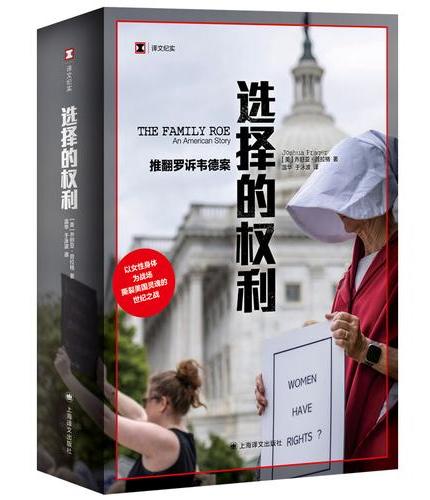
《
选择的权利:推翻罗诉韦德案(译文纪实系列)
》
售價:HK$
129.8
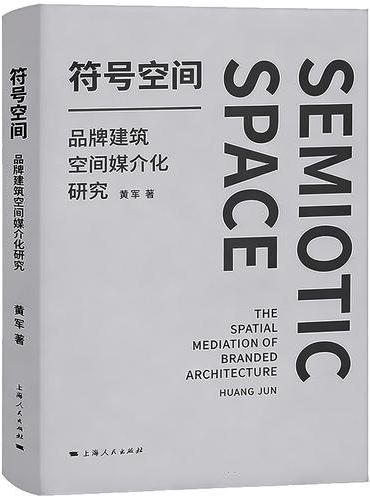
《
符号空间:品牌建筑空间媒介化研究
》
售價:HK$
137.5
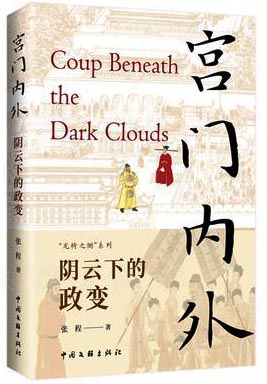
《
宫门内外:阴云下的政变
》
售價:HK$
71.5
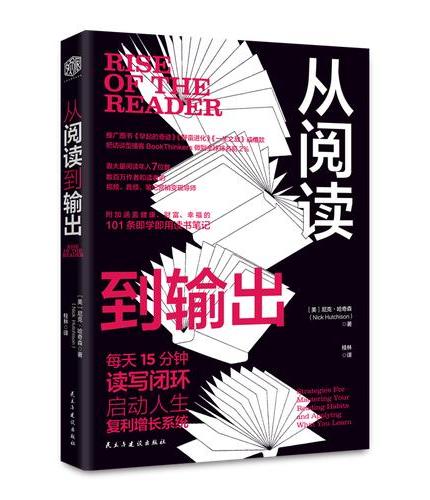
《
从阅读到输出:靠大量阅读年入7位数 每天15分钟读写闭环,启动人生复利增长系统
》
售價:HK$
76.8
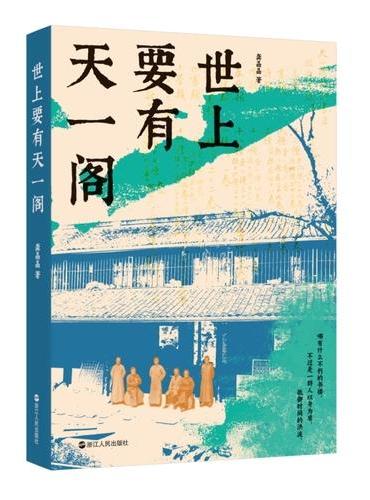
《
世上要有天一阁
》
售價:HK$
74.8
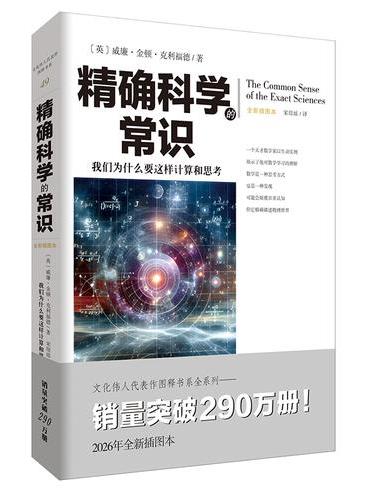
《
精确科学的常识 天才数学家克利福德
》
售價:HK$
41.8
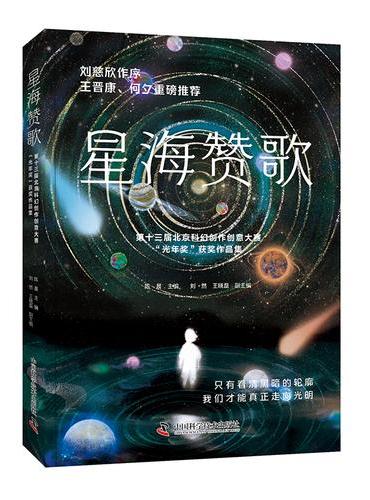
《
星海赞歌(第十三届北京科幻创作创意大赛“光年奖”获奖作品集)
》
售價:HK$
96.8
|
| 內容簡介: |
|
关亚新、张志坤编*的《大爱日本遗孤的故事英文版》为纪实性大型画册,以日本二战遗孤的命运为线索,再现了中日关系史上的一段往事,从中我们可以了解日本侵华战争遗孤问题的来龙去脉,以及中国普通百姓怎样**中日关系的怨和仇,以博大的胸怀收养并抚育了几千名日本遗孤的感人事迹。
|
| 目錄:
|
Preface
Prologue I
Prologue II
Chapter I Enemy Outcasts in Northeast China
1. Japanese Immigrants to Northeast China
2. Post-war Japanese Orphans
Chapter II Chinese Mothers'' Broad Mind
1. Japanese Orphans Joining Chinese Families
2. Japanese Orphans'' Chinese Foster Parents
3. A Paean of Humanity and Fraternity
Chapter III Japanese War Orphans'' Search for Their Relatives
1. Uncovering the Mystery of Life
2. Embarking on the Search for Relatives
3. Realization of the Dream of Return
Chapter IV Peace Messengers of Sino-dapanese Friendship
1. Repaying the parenting grace of Chinese foster parents
2. A Rainbow Bridge is set up between China and Japan
Reference Materials
|
| 內容試閱:
|
Japanese orphans belong to a special group.First of all, they are Chinese citizens according to nationality, yet they are not exactly regular citizens.They are special Chinese personages of Japanese descent.Many of them received a "nationality certificate of the People''s Republic of China" issued by the State Council in the 1950s and 1960s, thus becoming Chinese citizens.Some not knowing their real identity became Chinese nationality of their own accord.Secondly, an orphan is a social concept referring to juveniles who have lost both of their parents.Hence, without proof regarding the fate of their natural parents, these Japanese foundlings were not technically orphans at all.In fact, they might have more parents than most other people with both living biological and foster parents.Thirdly, the term "Japanese orphans" only indicates the condition when they were left in China at that time.Today, they are long grown—up, becoming parents themselves, and even grandparents.In Japan, they are known as Unreturned Compatriots in China", which could be easily misunderstood as meaning they were kept by Chinese on purpose.Later,Japan changed the term into "Remained Orphans in China" and "Remained Compatriots in China".However, these terms don''t exactly fit.In fact, they are more Chinese in terms of either spoken and written language, or lifestyle.They lived in China for decades, learning and using Chinese or one of the country''s ethnic languages in their daily life, so they almost or, indeed, totally forgot their mother tongue.Their life became deeply modified by traditional Chinese culture.Hence, they are Chinese of Japan extraction.
……
|
|

 購物車/收銀台(0) | 在線留言板
| 付款方式
| 運費計算
| 聯絡我們
| 幫助中心 |
加入書簽
購物車/收銀台(0) | 在線留言板
| 付款方式
| 運費計算
| 聯絡我們
| 幫助中心 |
加入書簽 HOME
HOME 新書上架
新書上架 暢銷書架
暢銷書架

