新書推薦:
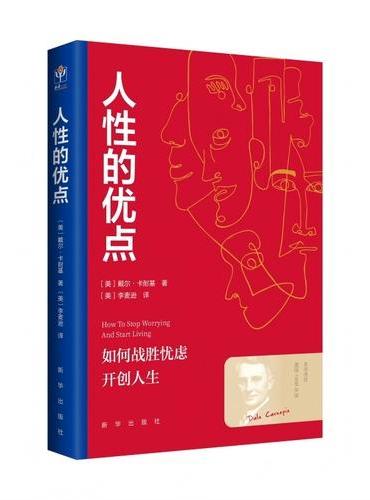
《
人性的优点
》
售價:HK$
52.8
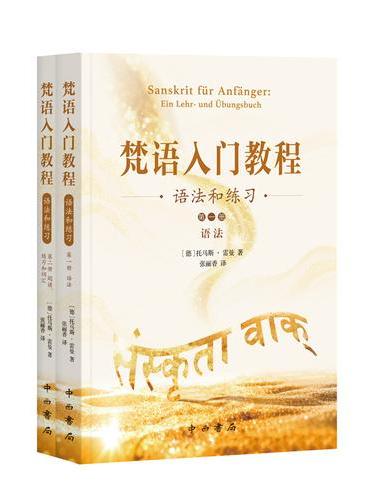
《
梵语入门教程:语法和练习(全二册)
》
售價:HK$
294.8
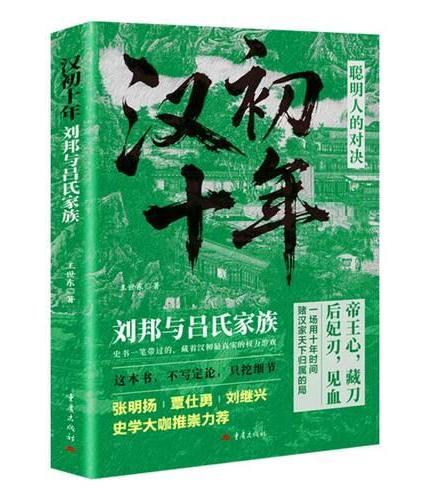
《
汉初十年 刘邦与吕氏家族 32幅图表清晰标注关键战役人事布局
》
售價:HK$
60.5
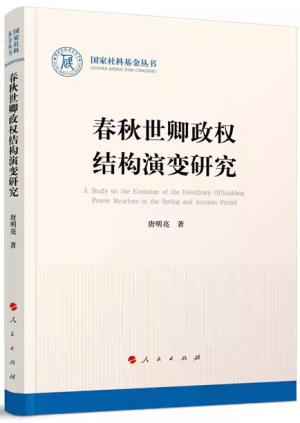
《
春秋世卿政权结构演变研究
》
售價:HK$
85.8

《
幸福家庭的法律密码
》
售價:HK$
74.8
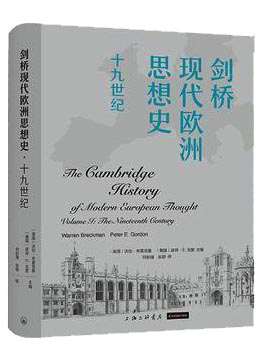
《
剑桥现代欧洲思想史·十九世纪
》
售價:HK$
130.9
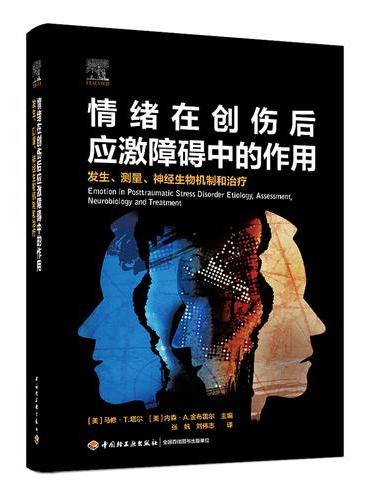
《
情绪在创伤后应激障碍中的作用:发生、测量、神经生物机制和治疗
》
售價:HK$
140.8
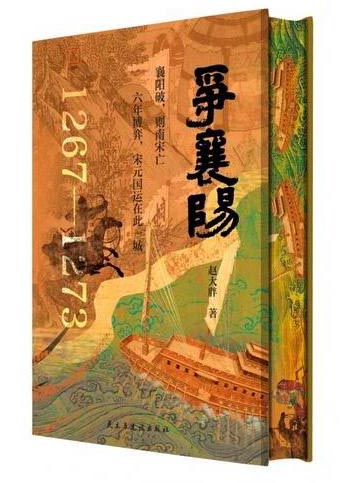
《
争襄阳:宋元国运之战
》
售價:HK$
96.8
|
| 內容簡介: |
A great triumph of twentieth-century physics, the theory of quantum mechanics, is now nearly 40 years old, yet we have generally been giving our students their introductory course in physics (for many students, their last) with hardly more than a casual allusion to this central part of our knowledge of the physical world. We should do better by them. These lectures are an attempt to present them with the basic and essential ideas of the quantum mechanics in a way that would, hopefully, be comprehensible. The approach you will find here is novel, particularly at the level of a sophomore course, and was considered very much an experiment. After seeing how easily some of the students take to it, however, I believe that the experiment was a success. There is, of course, room for improvement, and it will come with more experience in the classroom. What you will find here is a record of that first experiment. .
In the two-year sequence of the Feynman Lectures on Physics which were given from September 1961 through May 1963 for the introductory physics course at Caltech, the concepts of quantum physics were brought in whenever they were necessary for an understanding of the phenomena being described. In addition, the last twelve lectures of the second year were given over to a more coherent introduction to some of the concepts of quantum mechanics. It became clear as the lectures drew to a close, however, that not enough time had been left for the quantum mechanics. As the material was prepared, it was continually discovered that other important and interesting topics could be treated with the elementary tools that had been developed. There was also a fear that the too brief treatment of the Schrodinger wave function which had been included in the twelfth lecture would not provide a sufficient bridge to the more conventional treatments of many books the students might hope to read. It was therefore decided to extend the series with seven additional lectures; they were given to the sophomore class in May of 1964. These lectures rounded out and extended somewhat the material developed in the earlier lectures.
|
|

 購物車/收銀台(0) | 在線留言板
| 付款方式
| 運費計算
| 聯絡我們
| 幫助中心 |
加入書簽
購物車/收銀台(0) | 在線留言板
| 付款方式
| 運費計算
| 聯絡我們
| 幫助中心 |
加入書簽 HOME
HOME 新書上架
新書上架 暢銷書架
暢銷書架


