新書推薦:
《
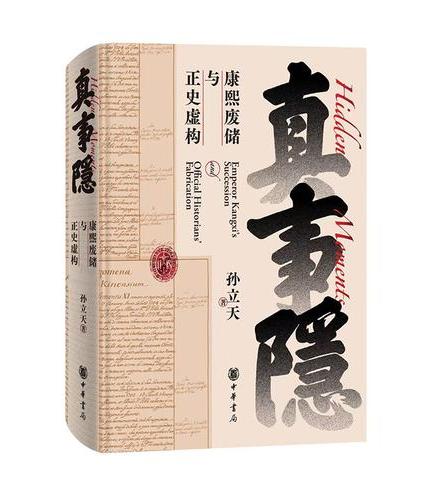
真事隐:康熙废储与正史虚构
》
售價:HK$
85.8
《
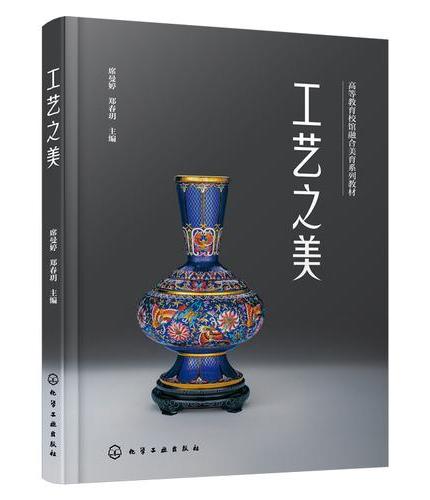
工艺之美(席曼婷)
》
售價:HK$
97.9

《
揭秘煤气灯效应:心理操控的哲学透视
》
售價:HK$
60.5
《
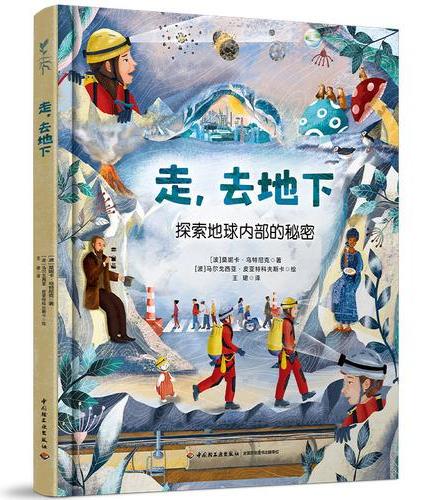
走,去地下 探索地球内部的秘密【精装大本】
》
售價:HK$
96.8
![含混的哲思——梅洛-庞蒂·杨大春讲梅洛-庞蒂[修订本合集]](//img.megbook.hk/upload/mall/productImages/26/7/9787303310944.jpg)
《
含混的哲思——梅洛-庞蒂·杨大春讲梅洛-庞蒂[修订本合集]
》
售價:HK$
184.8
《
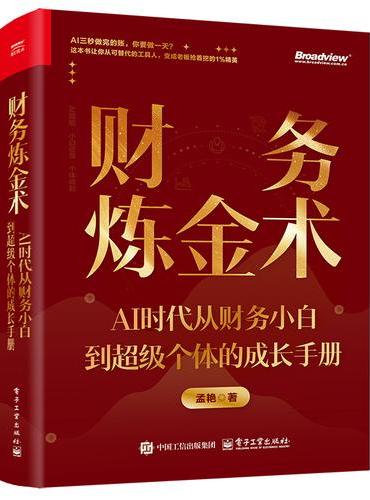
财务炼金术:AI时代从财务小白到超级个体的成长手册
》
售價:HK$
97.9
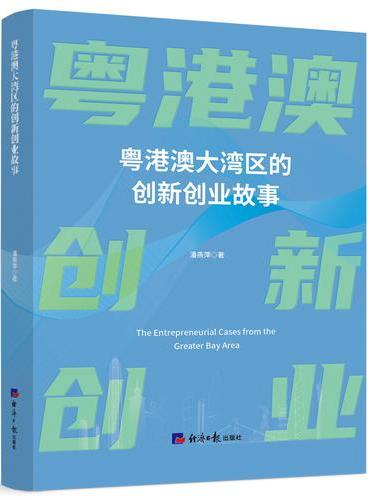
《
粤港澳大湾区的创新创业故事
》
售價:HK$
96.8
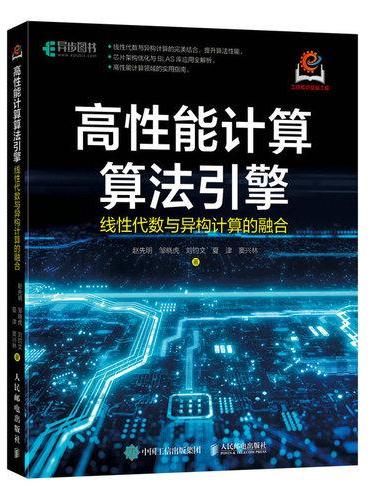
《
高性能计算算法引擎:线性代数与异构计算的融合
》
售價:HK$
109.8
|
| 內容簡介: |
|
The commencement, growth and development of environmental protection cause of China keep the same pace with that of the world. As the biggest developing country in the world, China makes active contributions to the four leaps in the field of global environment and development. In particular, the Central Committee of Communist Party of China and the State Council put forward a series of new concepts such as the development of ecological civilization, ecological restoration of rivers and lakes, promotion of historic transformations of environmental protection and exploration of new path to environmental protection that protects the environment in the process of development and development in the process of environmental protection; release many major policy measures since the beginning of the “11th Five-Year Plan” period to facilitate important changes of environmental protection from understanding to practice.
|
| 目錄:
|
hapter 1 Environment and Development Issues
1.1 Concept and Type ofEnvironmei
1.1.1 Concept of Environment
1.1.2 Characteristics ofEnvironmen
1.1.3 Type of Environment
1.2 Development and Characteristics ofEnvironmentallssues
1.2.1 0ccurrence and Evolution of Environmental Problems
1.2.2 Types ofCurrent Environmental Problems
1.2.3 Characteristics of Current Environmental Problems
1.3 Basic Causes ofEnvironmental Problems
1.3.1 Natural Causes of Environmental Problem
1.3.2 Economic Causes ofEnvironmental Problems
1.3.3 Social Causes of Environmental Problems
1.3.4 Political Causes ofEnvironmental Problems
Chapter 2 Social Development and Environmentallssues
2.1 Changes in the Understanding ofthe Environment in the Process of Human Social Development
2.1.1 Anthropocentric Stage
2.1.2 Biocentric Stage
2.1.3 Ecocentric Stage
2.2 Population, Society, Politics, Science and Technology Development and Environmental Issues
2.2.1 Relationship between Human Society and the
2.2.2 Influence ofPopulation Development on the
2.2.3 Influence of Social Development on the Environment
……
Chapter 3 Environmental Protection and Economic Development
Chapter 4 Sustainable Development Strategies
Chapter 5 Progress of Environmental Protection in China
|
| 內容試閱:
|
2.3.2.2 Characteristics of Environmental Problems of the Industrial Revolution
(1) Heavy pollution
During the modern Industrial Revolution, science, technology and industrialization were developing rapidly. People gradually developed blind self-confidence regarding nature. When employing resources and discharging pollutants, people did not realize the consequences of their behavior. When large amounts of pollutants entered the water, atmosphere and soil without any
treatment, they did not initially cause evident negative effects. However, environmental pollution emerged and rapidly spread worldwide, with continuous increases in pollutants leading to the saturation of the environmental capacity. The pollution events represented by the eight major
nuisances fully demonstrated the serious degree ofpollution at that time.
(2) Relatively concentrated scope of pollution
Most environmental pollution in this period was still in the countries undergoing fast industrialization. Although river basin or atmospheric pollution affected many countries, it remained within regional boundaries. Although they were very serious, environmental problems in this period did not greatly affect other regions. At that time, people had not developed a unified concept of environmental protection. Environmental protection intervention was
conducted only haphazardly by the government of each country. Pollution discharge from factories was controlled by investigation and legislation. However, environmental protection behavior was fundamentally passive because society at large did not yet understand the relationship between man and nature and still adhered to the strategy of economic growth at the cost of the environment.
……
|
|

 購物車/收銀台(0) | 在線留言板
| 付款方式
| 運費計算
| 聯絡我們
| 幫助中心 |
加入書簽
購物車/收銀台(0) | 在線留言板
| 付款方式
| 運費計算
| 聯絡我們
| 幫助中心 |
加入書簽 HOME
HOME 新書上架
新書上架 暢銷書架
暢銷書架


![含混的哲思——梅洛-庞蒂·杨大春讲梅洛-庞蒂[修订本合集]](http://img.megbook.hk/upload/mall/productImages/26/7/9787303310944.jpg)
