新書推薦:

《
高性能计算算法引擎:线性代数与异构计算的融合
》
售價:HK$
109.8
《
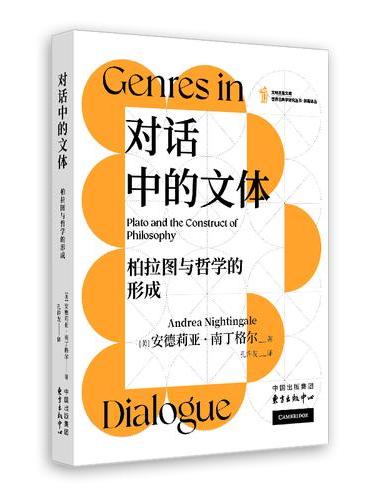
对话中的文体:柏拉图与哲学的形成(不理解柏拉图如何写作,就无法真正理解他的哲学)
》
售價:HK$
85.8

《
当疾病来敲门:病人、家属和治疗师是如何一起应对疾病的
》
售價:HK$
109.8

《
新编老老恒言:传承千年的健康智慧(共两册)
》
售價:HK$
85.8

《
建筑的智慧视界
》
售價:HK$
140.8

《
渺小如象
》
售價:HK$
43.8

《
人性的弱点
》
售價:HK$
52.8

《
今日私法理论:德国私法理论的多元视角(德语法学思想译丛)
》
售價:HK$
93.5
|
| 內容簡介: |
|
董艳著的《批判性立场和评鉴学术话语对比研究 英文版》采用密歇根高级学生论文语料库,检验了 研究者提出的批判性立场和评鉴具有学科和文化特异 性的假设;然后利用密歇根大学机构合作委员会十大 联盟硕博论文语料库自建的DISCORPS语料库以及 Hyland学科专家语料库,对比分析了中国博士生和英 美博士生以及成熟的学科专家之间在显性和非显性评 鉴策略使用方面的差异。结构合理,分析细致,结论 可信。在对大量的文献进行归纳、分析和研究的基础 上,确定自己的研究重点和分析框架,并以自己收集 的第一手数据资料来进行实证分析研究。研究结论可 以为ESL/EFL/EAP/EIL写作教学提供启示。
|
| 目錄:
|
Chapter 1 Introduction
1. 1 Importance of and Reasons for Studying Critical Stance and Evaluation
1.2 The Necessity of Studying Critical Stance and Evaluation
1.3 Chinese Junior Scholars'' Deficit in Stancetaking and Critical Literacy
1.4 Objectives of the Present Study
1.5 Outline of the Book
Chapter 2 Relevant Concepts
2.1 Academic Discourse
2.1.1 Definitions of Academic Discourse
2.1.2 Approaches to Academic Discourse
2.2 Academic Discourse Community
2.2.1 Discourse Community
2.2.2 Language Socialization into Academic Discourse Communities
2.2.3 Written Academic Discourse Socialization
2.3 Different Terminologies Related to Stance and Evaluation
2.3.1 Different Terminologies
2.3.2 Four Differences in Approaches Leading to Different Terminologies
2.3.3 Six Points of Consensus
Chapter 3 Review of Literature on Studies of Academic
Discourse and on Stancetaking and Evaluation
3.1 Research Findings Based on the Prior Study of Academic Discourse
3.1.1 Academic Discourse, Structured for Persuasive Effect
3.1.2 Academic Discourse, Representing Discipline-
specific Modes of Argument
3.1.3 Different Cultures, Different Academic Discourses
3.1.4 Academic Argument, Involving Interpersonal Negotiations
3.2 Prior Research Related to Critical Stance and
Evaluation
3.2.1 Prior Research Related to Critical Stance
and Evaluation Abroad
3.2.2 Prior Research Related to Critical Stance
and Evaluation at Home
3.3 Identity--Proximity and Positioning
3.3.1 Discursive Construction of Identity
3.3.2 Hyland''s Concepts of Proximity and Positioning
Chapter 4 Research Design
4. 1 The Pilot Study: MICUSP Data Comparison
Across Different Disciplines and Between NS and
NNS of English
4.2 The Corpus Construction
4.3 Analytical Framework
Chapter 5 Quantitative Results
5.1 Research Tools
5.2 Overt Evaluation
5.2.1 Evaluative Verbs and Modal Verbs e. g. claim, suggest,
assume, argue, disagree ; should, must, need, can,
and may
5.2.2 Evaluative Adverbials e. g. Fortunately, Unfortunately,
Interestingly, Surprisingly, Arguably, presumably,
and Unexpectedly
5.2.3 Evaluative Nouns e. g. problem, Difficulty,
Achievement, Assumption, Claim, Failure,
Success, and Challenge
5.2.4 Evaluative Adjectives e. g. Unusual, Strange,
Atypical, weird, and Odd
5.2.5 Authorial Selves: the Use of l, we, the Author and
the Hortative Let UsLet''s
5.3 Less Overt Evaluation
Chapter 6 Qualitative Results
6.1 Questionnaires
6.2 Interviews
6.3 Focus Group Discussion
Chapter 7 Conclusions and Pedagogical Implications
7.1 Summary of the Major Findings
7.2 Conclusions
7.3 Critical Literacy Cultivation
7.4 Pedagogical Implications for ESLEAPEFLEIL Instruction
7.5 New Directions in Academic Discourse Research
Appendices
Appendix 1: Questionnaire
Appendix 2: The Interview Questions
List of Tables and Figures
Bibliography
Index
|
|

 購物車/收銀台(0) | 在線留言板
| 付款方式
| 運費計算
| 聯絡我們
| 幫助中心 |
加入書簽
購物車/收銀台(0) | 在線留言板
| 付款方式
| 運費計算
| 聯絡我們
| 幫助中心 |
加入書簽 HOME
HOME 新書上架
新書上架 暢銷書架
暢銷書架

